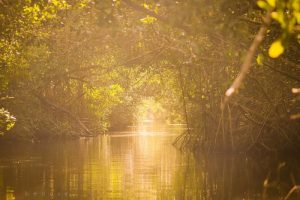
Embark on a journey to the world’s most captivating rainforest destinations as we delve into the wonders of nature and adventure. From unique attractions to biodiversity, get ready to explore these hidden gems.
Discover the essence of each destination and compare their accessibility and infrastructure to plan your ultimate rainforest exploration experience.
Best Rainforest Exploration Destinations
When it comes to exploring the wonders of rainforests, there are several destinations around the world that stand out for their unique attractions and biodiversity. Let’s take a look at the top 5 rainforest destinations globally.
1. Amazon Rainforest, South America
The Amazon Rainforest is the largest tropical rainforest in the world, spanning across multiple countries in South America. It is home to a staggering array of plant and animal species, including jaguars, sloths, and macaws. The unique attractions of the Amazon include the diverse ecosystems, the Amazon River, and indigenous communities living in harmony with nature. Accessibility to the Amazon can vary depending on the region, with some areas accessible by boat or plane.
2. Daintree Rainforest, Australia
The Daintree Rainforest in Australia is one of the oldest rainforests on the planet, dating back over 135 million years. It is known for its lush greenery, crystal-clear streams, and unique wildlife such as the endangered cassowary bird. Visitors can explore the canopy via elevated walkways or take guided tours to learn about the biodiversity of the region. The infrastructure in the Daintree is well-developed, with easy access to accommodations and tour operators.
3. Borneo Rainforest, Malaysia and Indonesia
The Borneo Rainforest is the third-largest island in the world and is shared by Malaysia, Indonesia, and Brunei. It is famed for its rich biodiversity, including orangutans, pygmy elephants, and proboscis monkeys. Unique attractions in Borneo include the Kinabatangan River, Mount Kinabalu, and the Sepilok Orangutan Rehabilitation Centre. While some parts of Borneo are remote, there are well-established eco-tourism initiatives and accommodations for visitors.
4. Congo Rainforest, Africa
The Congo Rainforest is the second-largest tropical rainforest in the world, after the Amazon. It is located in Central Africa and is home to a wide variety of animal species, including gorillas, forest elephants, and okapis. Visitors to the Congo can experience guided safaris, birdwatching tours, and cultural encounters with local tribes. Accessibility to the Congo Rainforest can be challenging due to its remote location and limited infrastructure.
5. Monteverde Cloud Forest, Costa Rica
The Monteverde Cloud Forest in Costa Rica is a unique ecosystem characterized by its misty cloud cover and diverse flora and fauna. Visitors to Monteverde can explore the hanging bridges, zip lines, and nature reserves to observe rare species like the resplendent quetzal and the three-wattled bellbird. The infrastructure in Monteverde is well-developed, with eco-friendly lodges and tour operators offering sustainable tourism experiences.
Shopping Vacation
When embarking on a rainforest exploration trip, it’s not just about immersing yourself in nature. Integrating shopping experiences into your itinerary can add a unique cultural dimension to your adventure. Local markets, crafts, and souvenirs found in rainforest regions offer a glimpse into the vibrant heritage and craftsmanship of the communities living in these areas. Additionally, practicing sustainable shopping practices while on vacation can help support local artisans and preserve the environment.
Exploring Local Markets
Visiting local markets in rainforest regions can be a feast for the senses. From colorful fruits and vegetables to handmade crafts and textiles, these markets offer a wide array of unique items to choose from. Engaging with local vendors can also provide insight into the traditions and stories behind the products they sell. Remember to haggle respectfully and be mindful of the cultural significance of the items you purchase.
Crafts and Souvenirs
When shopping for souvenirs in rainforest destinations, look for items that are handmade by local artisans. These can include intricately woven baskets, hand-carved wooden figurines, or traditional jewelry made from natural materials. By purchasing directly from artisans, you can support their livelihoods and help preserve traditional craftsmanship. Avoid buying products made from endangered plants or animals, and opt for sustainable materials instead.
Sustainable Shopping Practices
To ensure your shopping experiences contribute positively to the local community and environment, consider the following tips:
- Avoid purchasing products made from endangered species or unsustainable materials.
- Opt for items that are locally sourced and produced, reducing the carbon footprint of your purchases.
- Support fair trade practices by buying directly from artisans or local cooperatives.
- Consider the long-term impact of your purchases on the environment and local communities.
Arctic and Polar Expeditions
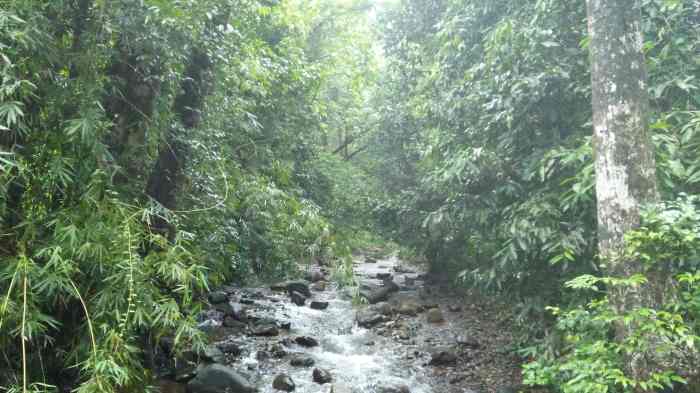
Exploring the Arctic and polar regions presents a stark contrast to the lush rainforests of the world. The extreme cold, icy landscapes, and unique wildlife make these expeditions a thrilling adventure for those seeking to experience the beauty and challenges of the far north.
Differences between Rainforest Exploration and Arctic Expeditions
While rainforest exploration immerses you in dense vegetation, vibrant colors, and diverse ecosystems, Arctic expeditions offer a stark landscape dominated by ice, snow, and frigid temperatures. The contrast in climate, terrain, and wildlife between the two environments is truly striking.
Challenges and Rewards of Exploring the Polar Regions
Exploring the polar regions comes with its own set of challenges, including navigating through icy waters, enduring extreme cold, and facing isolation in remote areas. However, the rewards of witnessing the breathtaking beauty of glaciers, icebergs, and the northern lights make the journey worth it for adventurers and nature enthusiasts.
Unique Wildlife and Landscapes in the Arctic and Polar Areas
The Arctic and polar regions are home to a diverse range of wildlife, including polar bears, seals, walruses, and various species of seabirds. The vast icy landscapes, towering icebergs, and frozen tundras create a surreal and mesmerizing backdrop for these unique creatures to thrive in their harsh but stunning environment.
Music Festival Tour
Combining the excitement of music festivals with the thrill of rainforest exploration can create a unique and memorable vacation experience. It offers a blend of cultural immersion, adventure, and entertainment that appeals to a wide range of travelers.
Music Festivals in Rainforest Regions
Here are some examples of music festivals held in or near rainforest regions:
- Envision Festival in Costa Rica: This eco-conscious festival takes place in the heart of the Costa Rican jungle, offering attendees a chance to connect with nature while enjoying music, art, and workshops.
- Woodford Folk Festival in Australia: Held in the lush rainforest of Queensland, this festival features a diverse lineup of music, dance, and cultural performances.
- Amazonas Jazz Festival in Brazil: Set against the backdrop of the Amazon rainforest, this festival showcases jazz artists from around the world in a truly unique setting.
Cultural Immersion at Music Festivals
Attending music festivals during vacations provides a deep cultural immersion experience. The opportunity to interact with locals, taste traditional cuisine, and witness indigenous performances enhances the overall travel experience.
Spiritual Pilgrimage
Exploring the spiritual significance of rainforests in various cultures can be a transformative experience. Many indigenous communities view the rainforest as a sacred place, rich with spiritual energy and connected to the divine.
Spiritual Connections
- Indigenous tribes around the world consider the rainforest as a place of spiritual connection, where they communicate with their ancestors and nature spirits.
- Many belief systems see the rainforest as a living entity, with each tree and creature possessing its own spirit or energy.
- Visitors often report feeling a sense of peace, awe, and reverence when immersed in the ancient beauty of the rainforest, leading to personal spiritual insights and growth.
Legends and Stories
- There are countless legends and stories from different cultures about spiritual experiences in the rainforest, ranging from encounters with mythical creatures to visions of divine beings.
- Some stories speak of shamans and healers using the plants and herbs of the rainforest for spiritual rituals and ceremonies, connecting with the spiritual world.
- Explorers have shared tales of profound encounters with nature spirits and guardians of the rainforest, deepening their understanding of the interconnectedness of all life.
Geotourism Adventure
Geotourism involves exploring and appreciating the geological aspects of a destination while promoting conservation and sustainability. When it comes to rainforest exploration, geotourism plays a crucial role in understanding the unique geological features of these biodiverse environments.
Unique Geological Features of Rainforest Environments
- Rainforests are often characterized by rich soil nutrients, which support diverse plant and animal life.
- These environments also showcase fascinating rock formations, caves, and waterfalls that have been shaped by geological processes over millions of years.
- The presence of volcanoes and hot springs in some rainforest regions adds to the geological diversity and allure of these areas.
Tips for Sustainable Geotourism Practices in Rainforests
- Respect local cultures and traditions while exploring rainforest areas, and support indigenous communities through responsible tourism initiatives.
- Stay on designated trails to minimize impact on delicate ecosystems and avoid disturbing wildlife habitats.
- Dispose of waste properly and minimize the use of single-use plastics to help preserve the pristine natural beauty of rainforest environments.
- Participate in conservation efforts and support organizations that work towards protecting rainforest biodiversity and promoting sustainable tourism practices.
Birdwatching Vacation
Embark on a birdwatching vacation in the lush rainforests and discover a world of diverse avian species waiting to be spotted.
Best Rainforest Destinations for Birdwatching
Some of the best rainforest destinations for birdwatching include:
- Amazon Rainforest in South America
- Daintree Rainforest in Australia
- Monteverde Cloud Forest Reserve in Costa Rica
- Taman Negara National Park in Malaysia
Diverse Bird Species in Rainforest Habitats
Rainforest habitats are home to a wide variety of bird species, such as:
- Scarlet Macaw
- Toucan
- Hummingbird
- Cock-of-the-Rock
Birdwatching Tips and Techniques for Beginners
For beginners in birdwatching in rainforest settings, here are some tips and techniques to enhance your experience:
- Invest in a good pair of binoculars for clear viewing.
- Learn to identify bird calls to locate species more easily.
- Join guided birdwatching tours for expert guidance and insight.
- Be patient and observant, as birds may be camouflaged or hidden in dense foliage.
Remote Island Retreat
Combining a remote island retreat with rainforest exploration offers a unique opportunity to immerse oneself in untouched nature and experience a sense of seclusion and tranquility.
Remote Islands with Rainforest Experiences
Several remote islands around the world provide the perfect setting for rainforest adventures:
- Haida Gwaii, Canada: Known for its ancient forests and diverse wildlife, Haida Gwaii offers a chance to explore lush rainforests and pristine beaches.
- Socotra, Yemen: Home to unique flora and fauna, Socotra’s dense forests and rocky terrain make it a haven for adventurous travelers seeking a remote island escape.
- Raja Ampat, Indonesia: This archipelago boasts lush rainforests teeming with biodiversity, making it a paradise for eco-tourists and nature lovers.
Benefits and Challenges of Planning a Remote Island Retreat Vacation
When planning a remote island retreat vacation, it is essential to consider the following:
- Benefits:
- Seclusion: Remote islands offer privacy and a sense of exclusivity, perfect for those looking to escape the hustle and bustle of everyday life.
- Natural Beauty: From pristine beaches to lush rainforests, remote islands boast breathtaking landscapes that are sure to awe and inspire.
- Adventure: Exploring remote islands allows for unique experiences, such as diving in untouched waters or hiking through unspoiled jungles.
- Challenges:
- Limited Accessibility: Remote islands may be difficult to reach, requiring multiple flights or boat transfers, which can add to travel time and costs.
- Limited Amenities: Due to their isolated nature, remote islands may have limited infrastructure and amenities, making it important to be prepared for a more rustic experience.
- Weather Conditions: Being in remote locations, islands are susceptible to extreme weather conditions, so it’s crucial to plan accordingly and be prepared for any changes.
Volunteer Vacation
Volunteer vacations offer a unique opportunity to contribute to conservation projects in rainforest regions while immersing yourself in the beauty of nature. The impact of volunteer work on rainforest preservation is significant, as it helps support local communities, protect endangered species, and promote sustainable practices.
Opportunities for Volunteering in Conservation Projects
There are various opportunities for volunteering in conservation projects in rainforest regions, such as wildlife monitoring, reforestation efforts, community education programs, and sustainable development initiatives. By participating in these projects, volunteers can make a tangible difference in preserving the biodiversity of the rainforest and supporting the livelihoods of local communities.
Impact of Volunteer Work on Rainforest Preservation
- Contribution to biodiversity conservation
- Support for sustainable development practices
- Engagement with local communities
- Educational opportunities for volunteers
Personal Stories of Volunteering in Rainforest Conservation Efforts
Many volunteers have shared inspiring stories of their experiences in rainforest conservation efforts. From planting trees to rescuing wildlife, each story highlights the importance of individual contributions to the preservation of our planet’s most precious ecosystems. These personal accounts serve as a reminder of the positive impact that volunteer work can have on the environment and local communities.
Farm Stay Vacation
Embarking on a farm stay vacation in a rainforest setting allows travelers to immerse themselves in the natural beauty of the rainforest while experiencing the daily life of a working farm. This unique travel experience offers a combination of adventure, relaxation, and cultural exchange.
Concept of Farm Stays in Rainforest Settings
Farm stays in rainforest settings involve staying on a farm property surrounded by lush tropical vegetation, diverse wildlife, and sustainable agricultural practices. Travelers have the opportunity to participate in farm activities such as harvesting fruits, tending to crops, and interacting with farm animals. This hands-on experience provides a deeper understanding of the ecosystem and the local way of life.
Benefits of Experiencing Farm Life in Rainforests
- Immersive cultural experience: Farm stays offer a chance to connect with local farmers and learn about traditional farming methods.
- Sustainable tourism: By supporting local farms, travelers contribute to the preservation of rainforest ecosystems and the livelihoods of rural communities.
- Peaceful retreat: Farm stays provide a tranquil environment for relaxation, away from the hustle and bustle of city life.
- Educational opportunities: Guests can learn about sustainable agriculture, biodiversity, and conservation efforts in the rainforest.
Recommendations for Farm Stay Accommodations in Rainforest Destinations
| Destination | Farm Stay Accommodation |
|---|---|
| Costa Rica | Finca Rosa Blanca Coffee Plantation and Inn |
| Australia | Daintree EcoLodge & Spa |
| Brazil | Fazenda Catucaba |
Educational Vacation
Exploring the rainforest offers a unique opportunity for educational vacations, allowing travelers to learn about the diverse ecosystems and wildlife while gaining a deeper understanding of the importance of conservation efforts.
Environmental Education in Rainforest Conservation
Environmental education plays a crucial role in rainforest conservation by raising awareness about the threats facing these vital ecosystems and promoting sustainable practices to protect them. Through educational programs and workshops, visitors can learn about the interconnectedness of species, the impact of deforestation, and the significance of biodiversity in maintaining a healthy environment.
Educational Programs and Workshops
- Guided Nature Walks: Experienced naturalist guides lead informative tours through the rainforest, pointing out unique plant and animal species while sharing insights into their behavior and habitats.
- Wildlife Conservation Workshops: Participants can engage in hands-on activities focused on wildlife monitoring, habitat restoration, and environmental research, gaining practical skills in conservation efforts.
- Local Culture Immersion: Learning about indigenous communities living in or near the rainforest provides a valuable perspective on sustainable living practices, traditional knowledge, and the importance of preserving cultural heritage.
- Botanical Studies: Botany enthusiasts can participate in workshops focusing on the diverse plant life found in the rainforest, including medicinal plants, rare species, and the ecological roles they play in the ecosystem.
Hiking and Trekking
Exploring the lush rainforest through hiking and trekking offers a unique opportunity to connect with nature and experience the beauty of diverse ecosystems. It allows adventurers to immerse themselves in the sights, sounds, and scents of the rainforest while engaging in physical activity and exploration.
Best Hiking and Trekking Trails in Rainforest Environments
- Amazon Rainforest: The Amazon offers a variety of hiking trails, ranging from short day hikes to multi-day treks. Trails like the Inca Trail in Peru or the Salkantay Trek provide an immersive rainforest experience.
- Daintree Rainforest, Australia: Known as the oldest tropical rainforest in the world, Daintree offers hiking trails like the Dubuji Boardwalk and Mount Sorrow Ridge Trail, showcasing unique flora and fauna.
- Borneo Rainforest, Malaysia: Explore the dense rainforest of Borneo through trails like the Mount Kinabalu Summit Trail or the Maliau Basin Conservation Area, home to diverse wildlife.
Safety Tips and Essential Gear for Rainforest Hiking Adventures
- Stay on marked trails and avoid venturing off the path to minimize the risk of getting lost or encountering dangerous wildlife.
- Pack essential gear such as sturdy hiking boots, lightweight clothing, a first aid kit, insect repellent, and plenty of water to stay hydrated.
- Be prepared for sudden changes in weather by carrying rain gear and extra layers for protection against the elements.
- Inform someone about your hiking plans and expected return time to ensure help can be sent if needed.
Physical and Mental Benefits of Hiking in Lush Rainforest Settings
- Physical Fitness: Hiking in the rainforest provides a great workout for the body, improving cardiovascular health, muscle strength, and endurance.
- Mental Well-being: Immersing yourself in the natural beauty of the rainforest can reduce stress, anxiety, and depression, promoting mental clarity and overall well-being.
- Connection with Nature: Hiking in lush rainforest settings allows for a deeper connection with the environment, fostering a sense of peace, tranquility, and appreciation for the natural world.
Camping
Camping in a rainforest setting can offer a truly immersive experience in nature, allowing you to connect with the environment on a deeper level. The sounds of wildlife, the lush greenery surrounding you, and the fresh air all contribute to a unique camping experience.
Camping Options in Rainforest Destinations
- Choose from established campsites with amenities or opt for more remote, primitive camping locations for a true wilderness experience.
- Consider guided camping tours that provide expertise on navigating the rainforest terrain and insights into the local flora and fauna.
- Look for eco-friendly camping options that prioritize sustainability and minimize environmental impact.
Recommended Camping Gear for Rainforest Conditions
- Waterproof tent with good ventilation to prevent condensation buildup in the humid rainforest environment.
- Mosquito netting or insect repellent to protect yourself from bugs and mosquitoes common in rainforest regions.
- Quick-drying and moisture-wicking clothing to stay comfortable in the high humidity of the rainforest.
- Portable water filter or purifier for safe drinking water, as water sources in the rainforest may not be potable.
Unique Experiences of Camping in the Rainforest
- Wake up to the symphony of exotic bird calls and the rustling of leaves as wildlife begins to stir in the early morning.
- Experience the thrill of sleeping under a canopy of towering trees and gazing up at the starlit sky through breaks in the foliage.
- Immerse yourself in the sights, sounds, and scents of the rainforest at night, with the chance to spot nocturnal creatures like frogs, owls, and bats.
Cycling and Mountain Biking
Cycling and mountain biking in rainforest terrain offer a unique and exhilarating experience for outdoor enthusiasts. However, it also comes with its own set of challenges and benefits.
Challenges and Benefits
- Rainforest terrain can be unpredictable, with steep inclines, muddy trails, and dense vegetation posing challenges for cyclists.
- On the other hand, biking through lush rainforest landscapes allows riders to immerse themselves in the beauty of nature and experience a sense of adventure.
- Wildlife encounters and varying weather conditions add an element of excitement to the biking experience in rainforest regions.
Best Routes and Trails
- The Amazon Rainforest in South America offers a variety of cycling routes, including the Trans-Amazonian Highway and trails around Manu National Park in Peru.
- In Southeast Asia, mountain biking trails in Borneo’s rainforest and the Cameron Highlands in Malaysia provide challenging yet rewarding experiences.
- Africa’s Congo Basin and Madagascar offer unique mountain biking opportunities through diverse landscapes and rich biodiversity.
Safety Tips for Cyclists
- Always wear appropriate safety gear, including a helmet, gloves, and knee pads, to protect yourself while biking in rainforest terrain.
- Stay hydrated and carry enough water and snacks to sustain your energy levels during long rides in remote rainforest areas.
- Be aware of your surroundings, watch out for wildlife, and follow designated biking trails to avoid getting lost in the dense rainforest.
Fishing and Angling
Exploring the rivers and streams of the rainforest offers a unique and exciting opportunity for fishing enthusiasts. The lush surroundings and diverse ecosystem make it a prime location for anglers looking for a one-of-a-kind experience. In this section, we will delve into the fishing opportunities available in rainforest environments, sustainable practices, and tips for those interested in combining fishing with rainforest exploration.
Fishing Opportunities in Rainforest Rivers and Streams
- Rainforest rivers and streams are home to a variety of fish species, including peacock bass, arapaima, and arowana, providing anglers with a diverse range of targets.
- The pristine waters of the rainforest offer clear visibility, making it easier for anglers to spot and target their desired catch.
- Guided fishing tours are available in many rainforest destinations, providing anglers with expert knowledge of the best spots and techniques for a successful fishing experience.
Sustainable Fishing Practices in Rainforest Ecosystems
- Practice catch and release to help maintain the fish population and preserve the delicate balance of the ecosystem.
- Avoid the use of lead sinkers and artificial bait that can harm the environment and wildlife.
- Respect local regulations and guidelines regarding fishing in the rainforest to ensure the long-term sustainability of the ecosystem.
Tips for Anglers Interested in Combining Fishing with Rainforest Exploration
- Bring lightweight and portable fishing gear to easily navigate through dense vegetation and rugged terrain in the rainforest.
- Pack insect repellent and sunscreen to protect yourself from the elements while fishing in the rainforest.
- Engage with local guides and communities to learn about traditional fishing techniques and gain a deeper understanding of the ecosystem.
Kayaking and Canoeing
Kayaking and canoeing in rainforest regions offer a unique way to explore the lush ecosystems and diverse wildlife that inhabit these areas. Paddling through the waterways allows for a different perspective and a deeper connection with nature.
Best Waterways for Kayaking and Canoeing in Rainforest Regions
- Amazon River: The Amazon Rainforest in South America is home to the Amazon River, the largest river in the world by discharge volume. Paddling through the Amazon allows you to witness the incredible biodiversity of the rainforest up close.
- Daintree River: Located in Queensland, Australia, the Daintree River offers a tranquil setting for kayaking and canoeing. Keep an eye out for crocodiles, colorful birds, and unique plant species along the riverbanks.
- Tortuguero Canals: In Costa Rica, the Tortuguero Canals wind through the dense rainforest, providing a habitat for a variety of wildlife including monkeys, sloths, and caimans. Paddling through these waterways offers a chance to spot these animals in their natural environment.
Unique Perspectives from Exploring Rainforests by Water
- Quiet Observation: Kayaking and canoeing allow for a quiet and non-intrusive way to observe wildlife in their natural habitat. You may have the opportunity to see animals up close without disturbing them.
- Access to Remote Areas: Waterways can lead you to remote and untouched parts of the rainforest that are inaccessible by foot. This opens up new opportunities to discover hidden gems and experience the true wilderness of the rainforest.
Safety Tips and Equipment Recommendations for Kayaking in Rainforest Environments
- Wear a Life Jacket: Always wear a properly fitting life jacket when kayaking or canoeing in rainforest regions to ensure your safety on the water.
- Bring Insect Repellent: In rainforest environments, insects can be prevalent. Be sure to bring insect repellent to protect yourself from bites while paddling.
- Stay Hydrated: The humid and tropical climate of rainforests can lead to dehydration. Bring plenty of water with you to stay hydrated during your kayaking or canoeing adventures.
Rock Climbing and Bouldering
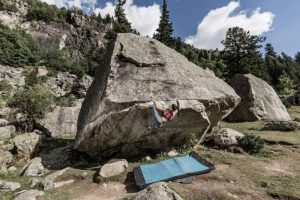
Rock climbing and bouldering in rainforest settings offer a unique challenge and rewarding experience for adventure enthusiasts. The lush greenery, towering cliffs, and unique rock formations create a picturesque backdrop for climbers seeking an adrenaline-filled escapade in the heart of nature.
Challenges and Rewards
- Challenges: Navigating through dense foliage, unpredictable weather conditions, slippery surfaces, and encountering wildlife are common challenges faced by rock climbers in rainforest settings. The lack of established routes and the need for advanced climbing techniques add to the difficulty level.
- Rewards: Conquering a challenging cliff or boulder in a rainforest setting offers a sense of accomplishment and a breathtaking view of the surrounding canopy. The immersive experience of being surrounded by nature’s beauty and the opportunity to explore untouched terrain make it a rewarding adventure.
Popular Rock Climbing Spots
- Brazil – Pedra da Gávea in Rio de Janeiro is a popular spot for rock climbing enthusiasts, offering a mix of traditional climbing and bouldering routes against the backdrop of the Atlantic Rainforest.
- Malaysia – Batu Caves near Kuala Lumpur is known for its limestone cliffs and challenging routes, surrounded by lush rainforest vegetation.
- Australia – Blue Mountains National Park in New South Wales is a world-renowned destination for rock climbing and bouldering, with a variety of cliffs and boulders set amidst a stunning rainforest landscape.
Tips for Climbers
- Research and plan ahead to ensure you have the necessary gear and information about the climbing routes in the rainforest setting.
- Stay hydrated and carry sufficient water and snacks for the climb, as rainforest environments can be humid and physically demanding.
- Be mindful of the environment and follow Leave No Trace principles to preserve the natural beauty of the rainforest for future climbers.
- Consider hiring a local guide who is familiar with the area and can provide valuable insights and assistance during your rock climbing adventure.
Wildlife Watching and Birding
When exploring rainforest habitats, wildlife watching and birding can be incredibly rewarding experiences. Here are some best practices to keep in mind:
Best Practices for Wildlife Watching in Rainforest Habitats
- Respect wildlife by observing from a safe distance and not disturbing their natural behavior.
- Avoid feeding wild animals as it can disrupt their diet and lead to dependency on humans.
- Stay quiet and minimize sudden movements to blend into the environment and avoid scaring off animals.
- Do not approach nesting sites or young animals, as this can cause stress to the wildlife.
Diversity of Wildlife Species in Rainforest Environments
Rainforests are home to a vast array of wildlife species, including:
- Colorful birds like toucans, parrots, and hummingbirds.
- Mammals such as monkeys, sloths, jaguars, and tapirs.
- Reptiles like snakes, iguanas, and turtles.
- Fascinating insects such as butterflies, beetles, and ants.
Ethical Guidelines for Observing and Interacting with Wildlife
- Observe animals in their natural habitat without trying to touch or handle them.
- Do not use flash photography or loud noises that can stress out the wildlife.
- Support responsible eco-tourism operators that prioritize conservation and animal welfare.
- Report any illegal wildlife activities or poaching to local authorities to protect the animals.
Trail Running
Trail running in rainforest environments offers a unique and invigorating experience for fitness enthusiasts and nature lovers alike. The lush greenery, diverse wildlife, and challenging terrain make it an exciting activity for those looking to break away from traditional running routes.Exploring the benefits of trail running in rainforest settings can lead to improved cardiovascular fitness, enhanced mental well-being, and a deeper connection with nature.
The uneven terrain and natural obstacles also provide a full-body workout that can help improve balance, agility, and strength.
Best Trail Running Routes in Rainforest Regions
- The Amazon Rainforest in South America offers a variety of trails catering to different skill levels, with stunning views of the diverse flora and fauna.
- The Daintree Rainforest in Australia provides a mix of challenging uphill climbs and scenic coastal trails, perfect for runners seeking a unique experience.
- Borneo’s rainforests boast a network of trails that lead to waterfalls, caves, and panoramic vistas, making it a popular destination for adventurous trail runners.
Training Tips and Safety Considerations for Trail Runners in Lush Jungle Settings
- Always carry extra water, snacks, and a first aid kit to stay hydrated and fueled during your run.
- Wear appropriate footwear with good traction to navigate slippery terrain and avoid injuries.
- Stay on marked trails to minimize impact on the environment and reduce the risk of getting lost in unfamiliar surroundings.
- Be mindful of wildlife encounters and respect the natural habitat by observing from a safe distance.
Adventure Sports
Rainforest locations offer a unique setting for thrill-seekers and adventure enthusiasts to engage in a variety of adrenaline-pumping activities. From canopy tours to river rafting, there are plenty of exciting options to explore in these lush environments.
Canopy Tours
- Zip-lining through the treetops for a bird’s eye view of the rainforest.
- Navigating suspended bridges and platforms high above the forest floor.
- Experiencing the rush of gliding through the canopy at high speeds.
River Rafting
- Conquering fast-flowing rivers amidst the dense foliage and wildlife.
- Navigating through challenging rapids and cascading waterfalls.
- Enjoying the thrill of white-water rafting in the heart of the rainforest.
Caving Expeditions
- Exploring intricate cave systems hidden within the rainforest.
- Discovering underground rivers, stunning rock formations, and unique ecosystems.
- Embarking on spelunking adventures to uncover the mysteries of the subterranean world.
Trekking and Climbing
- Hiking through rugged terrain and dense vegetation to reach breathtaking viewpoints.
- Climbing challenging rock faces and cliffs for a rewarding sense of accomplishment.
- Scaling waterfalls and mountains for an unforgettable adventure in the rainforest.
End of Discussion
In conclusion, the world of rainforest exploration awaits with its myriad of experiences and treasures waiting to be discovered. Whether you seek adventure, wildlife, or tranquility, these destinations offer something for every explorer.
Question Bank
What are the best rainforest destinations globally?
The top 5 rainforest destinations are Amazon Rainforest, Borneo Rainforest, Congo Rainforest, Daintree Rainforest, and Monteverde Cloud Forest.
How do rainforest exploration trips differ from arctic expeditions?
Rainforest exploration focuses on lush biodiversity and tropical climates, while arctic expeditions offer icy landscapes and unique wildlife adapted to cold conditions.
Can I combine a music festival with rainforest exploration?
Absolutely! There are music festivals held near rainforest regions, offering a cultural immersion experience amidst nature’s beauty.
What wildlife can I expect to see in rainforest habitats?
You can spot diverse bird species, monkeys, big cats, reptiles, and various insects in rainforest environments.
Is it possible to volunteer in conservation projects in rainforest regions?
Yes, there are opportunities for volunteering in conservation projects that help preserve rainforest ecosystems and wildlife.