Embark on an Arctic adventure at the perfect time to witness breathtaking landscapes and fascinating wildlife encounters. From the peak seasons to the unique weather conditions, discover why the Arctic is best explored during specific times of the year.
Learn about the advantages of planning your expedition during these optimal periods and get ready to immerse yourself in a world unlike any other.
Best Time for Arctic Expeditions
When planning an Arctic expedition, timing is crucial to ensure the best experience possible. The peak season for Arctic expeditions typically falls between June and August, during the summer months when the region experiences milder temperatures and 24-hour daylight.
Weather Conditions
During the best time for Arctic expeditions, the weather is relatively mild compared to the harsh winter months. Temperatures can range from 0°C to 10°C, making it more comfortable for outdoor activities. The constant daylight also provides ample opportunities for exploration without the constraints of darkness.
Advantages of Visiting
- Optimal weather conditions for outdoor activities such as hiking, kayaking, and wildlife spotting.
- Extended daylight hours allow for more time to explore the Arctic landscape and its unique features.
- Higher chances of observing wildlife in their natural habitat, including polar bears, walruses, seals, and various bird species.
Wildlife Sightings
During the peak season for Arctic expeditions, travelers have the opportunity to witness a diverse range of wildlife in their natural habitat. Polar bears are a common sight, especially near the coastlines and ice floes where they hunt for food. Other wildlife sightings may include walruses basking in the sun, seals swimming in the icy waters, and seabirds soaring overhead.
Shopping Vacation in Arctic and Polar Expeditions
Taking a shopping vacation in the Arctic can offer unique and memorable experiences that differ from mainstream destinations. From locally made handicrafts to sustainable products, there is a lot to explore and purchase in the northern regions.
Unique Shopping Experiences
When shopping in the Arctic, visitors can expect to find a wide range of locally made products that reflect the culture and traditions of the region. From hand-carved wooden sculptures to intricate beadwork and traditional clothing, there is something for everyone to enjoy.
Types of Local Products
Local products in the Arctic often include items such as reindeer hides, seal skin clothing, handmade jewelry, and artwork inspired by the stunning landscapes of the polar regions. These products not only make for unique souvenirs but also support local artisans and communities.
Tips for Shopping Sustainably
To shop sustainably during Arctic expeditions, consider purchasing products that are made from natural and locally sourced materials. Opt for items that have minimal impact on the environment and support local communities. Additionally, look for products that are ethically sourced and produced.
Differences from Mainstream Destinations
Unlike shopping in mainstream tourist destinations, shopping in the Arctic offers a more authentic and culturally immersive experience. Visitors can interact with local artisans, learn about traditional crafting techniques, and purchase one-of-a-kind souvenirs that tell a story of the region’s rich heritage.
Music Festival Tour in Arctic Regions
Exploring music festivals in the Arctic regions offers a unique and unforgettable experience for music lovers seeking something out of the ordinary.
Popular Music Festivals in the Arctic
Some of the popular music festivals held in the Arctic regions include:
- The Arctic Sounds Festival in Greenland, showcasing local and international artists against the stunning backdrop of icebergs and glaciers.
- The Northern Lights Festival in Norway, known for its blend of traditional Sami music and contemporary performances under the mesmerizing Northern Lights.
- The Snow Machine Festival in Alaska, featuring a mix of electronic and indie music set amidst the snow-covered landscapes.
Unique Ambiance of Music Festivals in Polar Regions
Music festivals in polar regions offer a one-of-a-kind ambiance with nature as the ultimate stage backdrop. Attendees can enjoy performances under the midnight sun or the dancing auroras, creating a magical and surreal atmosphere.
Cultural Significance of Music Festivals in Remote Areas
Music festivals in remote Arctic regions play a crucial role in preserving and celebrating local traditions and cultures. These events provide a platform for indigenous artists to showcase their talents and share their heritage with a wider audience, promoting cultural exchange and understanding.
Challenges and Highlights of Attending Music Festivals in Arctic Environments
While attending music festivals in Arctic environments can be a thrilling experience, it also comes with its challenges. From extreme weather conditions to limited facilities, festival-goers need to be prepared for the rugged conditions. However, the chance to witness incredible performances in such unique settings and connect with nature in a profound way makes the experience truly exceptional.
Rainforest Exploration in Arctic
When thinking of the Arctic, most people envision icy landscapes and snowy tundras. However, the Arctic is also home to unique rainforests that are worth exploring. These rainforests, located within the Arctic Circle, offer a different kind of adventure for travelers seeking to immerse themselves in the diverse ecosystems of the region.
Flora and Fauna of Arctic Rainforests
- Arctic rainforests are characterized by a mix of coniferous trees, such as spruce and pine, along with deciduous trees like birch and aspen. These forests also feature a variety of mosses, lichens, and ferns that thrive in the cool, moist environment.
- Wildlife in Arctic rainforests includes species like reindeer, moose, bears, and wolves. Birdwatchers will also enjoy spotting a range of bird species, including owls, eagles, and ptarmigans.
Tips for Sustainable Rainforest Exploration
- Stick to designated trails to minimize your impact on the delicate ecosystem of the Arctic rainforest.
- Respect wildlife by observing from a safe distance and not feeding or approaching animals.
- Carry out any trash or waste to maintain the pristine beauty of the rainforest for future visitors.
Recommendations for Arctic Rainforest Travelers
- Consider joining guided tours led by experts who can provide valuable insights into the flora, fauna, and history of the Arctic rainforests.
- Prepare for changing weather conditions by packing layers and waterproof gear to stay comfortable during your exploration.
- Take the time to immerse yourself in the sights and sounds of the Arctic rainforest, appreciating the unique beauty and biodiversity of this often-overlooked ecosystem.
Spiritual Pilgrimage in Arctic Destinations
Embarking on a spiritual pilgrimage in Arctic destinations can be a profound and transformative experience. The pristine and untouched landscapes of the Arctic have long been considered sacred by indigenous communities and spiritual seekers alike. The vast icy tundras, towering glaciers, and shimmering northern lights create a unique backdrop for reflection, meditation, and spiritual connection.
Spiritual Significance of Arctic Locations
Arctic locations hold a deep spiritual significance for many cultures and belief systems. The stark beauty and extreme conditions of the polar regions are often seen as a metaphor for the challenges and trials of the spiritual journey. The solitude and silence of the Arctic wilderness can provide a powerful setting for introspection, prayer, and communion with the divine.
Stories and Traditions
Many indigenous cultures in the Arctic have rich traditions of spiritual pilgrimage and connection to the land. Inuit communities, for example, have long practiced shamanism and animism, believing that all living beings possess a spirit and must be respected. Stories of vision quests, spirit animals, and encounters with otherworldly beings are woven into the fabric of Arctic spirituality.
Challenges and Rewards
Embarking on a spiritual pilgrimage in the Arctic comes with its own set of challenges. Harsh weather conditions, isolation, and limited resources can test the resolve of even the most dedicated pilgrim. However, the rewards of such a journey are immeasurable. The sense of awe and wonder inspired by the Arctic landscape, the opportunity for deep introspection and self-discovery, and the chance to connect with ancient spiritual traditions make the hardships worthwhile.
Tips for Spiritual Pilgrimage
- Prepare for extreme weather conditions and pack appropriate clothing and gear.
- Respect the local indigenous cultures and traditions, seeking permission before entering sacred sites.
- Stay open to unexpected encounters and experiences, allowing the Arctic wilderness to guide your spiritual journey.
- Take time for quiet reflection and meditation, allowing the silence of the Arctic to deepen your connection to the divine.
- Work with a local guide or spiritual leader who is familiar with the customs and traditions of the region, ensuring a respectful and meaningful pilgrimage experience.
Geotourism Adventure in Arctic Landscapes
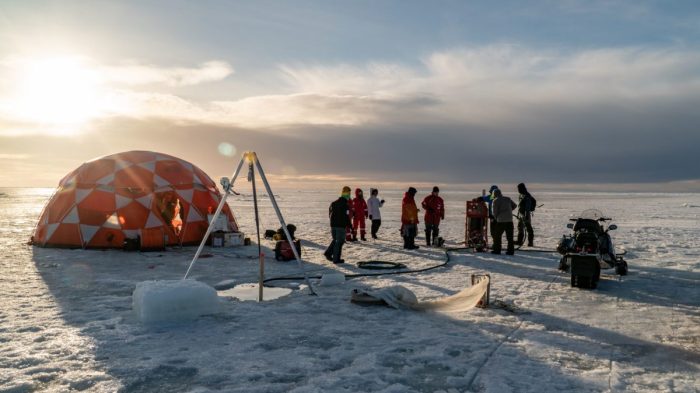
Geotourism involves exploring the geological features of a region while promoting conservation and sustainability. In the context of Arctic expeditions, geotourism allows travelers to appreciate the unique geological characteristics of the polar landscapes while contributing to their preservation.
Unique Geological Features of Arctic Landscapes
- The Arctic region is home to vast ice sheets, glaciers, and icebergs, shaped by millions of years of geological processes.
- Volcanic activity in places like Iceland adds a dynamic element to the Arctic landscape, with geothermal features and rugged terrains.
- The presence of permafrost, frozen ground that remains below freezing temperature for two or more years, is a defining geological feature of the Arctic.
Impact of Geotourism on Arctic Environment Preservation
- Geotourism promotes awareness about the fragility of Arctic ecosystems, encouraging responsible travel practices to minimize environmental impact.
- By engaging in geotourism activities, travelers support local conservation efforts and sustainable tourism initiatives in the Arctic region.
- Increased interest in geotourism can lead to greater protection of Arctic landscapes and wildlife habitats, ensuring their preservation for future generations.
Recommendations for Geotourism Enthusiasts in the Arctic
- Choose tour operators with a strong commitment to environmental conservation and responsible tourism practices.
- Follow Leave No Trace principles during your Arctic expedition to minimize your impact on the environment.
- Participate in educational programs or guided tours focused on the geological history and significance of Arctic landscapes.
Birdwatching Vacation in Arctic Regions
Exploring the Arctic for its diverse bird species is a unique and rewarding experience for birdwatching enthusiasts. The vast landscapes and untouched wilderness provide an ideal habitat for a variety of bird species waiting to be observed.
Identify Bird Species in the Arctic
- The Arctic Tern: Known for its remarkable migration from the Arctic to the Antarctic and back.
- The Snowy Owl: A majestic white owl that thrives in the Arctic tundra.
- The Atlantic Puffin: Adorable seabirds with colorful beaks that nest in the cliffs of Arctic regions.
Best Locations for Birdwatching in the Arctic
The following locations offer prime opportunities for birdwatching in the Arctic:
- Svalbard, Norway: Home to a variety of seabirds and migratory species.
- Churchill, Canada: Known for its polar bear population and diverse birdlife.
- Wrangel Island, Russia: A UNESCO World Heritage Site teeming with bird species.
Tips for Birdwatching Enthusiasts
- Bring binoculars and a good camera to capture close-up shots of Arctic birds.
- Dress warmly in layers to stay comfortable during long birdwatching sessions in the Arctic climate.
- Respect the wildlife and maintain a safe distance while observing birds in their natural habitat.
Challenges and Rewards of Birdwatching in the Arctic
Birdwatching in the Arctic presents unique challenges such as harsh weather conditions and limited daylight hours. However, the rewards of spotting rare bird species in their natural environment far outweigh the challenges. The sense of accomplishment and connection with nature make Arctic birdwatching a truly unforgettable experience.
Remote Island Retreats in the Arctic
When it comes to seeking solace and tranquility in the Arctic, remote island retreats offer a unique and peaceful escape from the hustle and bustle of everyday life. These isolated islands provide a serene environment where visitors can immerse themselves in the beauty of nature and disconnect from the outside world.
Unique Features of Remote Arctic Islands
- Seclusion: Remote Arctic islands are far removed from civilization, offering a sense of isolation and privacy that is hard to find elsewhere.
- Untouched Nature: These islands boast pristine landscapes, untouched by human development, allowing visitors to experience the raw beauty of the Arctic.
- Wildlife Encounters: From polar bears to arctic foxes, remote Arctic islands are teeming with wildlife, providing nature enthusiasts with ample opportunities for wildlife viewing.
Tranquility and Serenity Offered
- Peaceful Atmosphere: The quietude of remote Arctic islands creates a peaceful environment conducive to relaxation and reflection.
- Breathtaking Scenery: The stunning vistas of icy landscapes and crystal-clear waters contribute to a sense of awe and wonder, enhancing the overall sense of tranquility.
- Northern Lights: Witnessing the mesmerizing aurora borealis dancing across the Arctic sky adds a touch of magic to the serene setting of these remote islands.
Accommodation Options and Activities
- Eco-Lodges: Many remote Arctic islands offer eco-friendly accommodations that blend seamlessly with the natural surroundings, providing a comfortable yet sustainable stay.
- Outdoor Adventures: From hiking and kayaking to birdwatching and fishing, visitors can engage in a variety of outdoor activities to fully immerse themselves in the island’s rugged beauty.
- Cultural Experiences: Some remote Arctic islands are home to indigenous communities, offering visitors a chance to learn about their rich cultural heritage and traditional way of life.
Volunteer Vacation Opportunities in Arctic Communities
Volunteering in Arctic communities can be a rewarding experience, allowing individuals to make a positive impact while immersing themselves in the unique culture and environment of the polar regions.
Organizations Offering Volunteer Opportunities
Several organizations offer volunteer programs in Arctic communities, such as Polar Quest, Arctic Basecamp, and Earthwatch Institute. These organizations provide opportunities for individuals to contribute to conservation efforts, research projects, and community development initiatives in the Arctic.
Types of Volunteer Work Available
- Assisting with scientific research on climate change, wildlife conservation, and environmental monitoring.
- Supporting local communities through educational programs, healthcare initiatives, and infrastructure development projects.
- Participating in cultural exchange activities, such as learning traditional Arctic skills, language, and customs.
Personal Stories and Experiences
Many individuals who have volunteered in Arctic communities have shared inspiring stories of connection, learning, and personal growth. From participating in polar bear conservation projects to teaching English in remote villages, volunteers have highlighted the transformative impact of their experiences in the Arctic.
Tips for Prospective Volunteers
- Research organizations thoroughly to ensure alignment with personal values and goals.
- Prepare for the unique challenges of Arctic environments, such as extreme weather conditions and limited resources.
- Stay open-minded and flexible to fully engage with the community and project activities.
Farm Stay Vacation Experiences in Arctic Environments
Exploring farm stay opportunities in the Arctic can provide a unique and immersive experience for travelers seeking to connect with nature and local communities.
Unique Aspects of Agricultural Practices in Polar Regions
Arctic regions have distinct agricultural practices due to their extreme climate conditions. Farmers in the Arctic often rely on innovative techniques such as hydroponics, greenhouses, and vertical farming to cultivate crops in harsh environments.
Benefits of Experiencing Farm Life During Arctic Vacations
- Gain a deeper understanding of sustainable food production in challenging climates.
- Participate in farm activities like feeding animals, harvesting crops, and milking cows to experience traditional Arctic farm life.
- Connect with local farmers and learn about their resilience and adaptation strategies in the face of climate change.
- Enjoy farm-to-table meals with fresh, locally grown produce for a truly authentic culinary experience.
Role of Sustainable Farming in Arctic Communities
Sustainable farming practices play a crucial role in Arctic communities by promoting food security, preserving biodiversity, and mitigating the impact of climate change. Farmers in the Arctic focus on organic farming, crop diversification, and soil conservation to ensure the long-term health of their ecosystems.
Educational Vacation Programs in the Arctic
Exploring the Arctic goes beyond just sightseeing; educational vacation programs offer a unique opportunity to learn about the region’s ecology, culture, and history. These programs provide a deeper understanding of the Arctic while allowing travelers to immerse themselves in a remarkable learning experience.
Topics Covered in Educational Vacations in the Arctic
- Arctic Wildlife and Ecosystems: Participants learn about the diverse wildlife that inhabits the Arctic, including polar bears, seals, and various bird species. They also gain insights into the delicate balance of the Arctic ecosystem and the impact of climate change on these species.
- Cultural Traditions and Indigenous Communities: Travelers have the opportunity to interact with local indigenous communities and learn about their traditions, languages, and way of life. Workshops and presentations delve into the rich cultural heritage of Arctic peoples.
- Climate Change and Sustainability: Educational programs often focus on the pressing issue of climate change in the Arctic. Participants engage in discussions about environmental conservation, sustainable practices, and the importance of protecting the Arctic region.
Benefits of Combining Learning with Travel in Polar Regions
- Enhanced Understanding: Educational vacations provide a comprehensive understanding of the Arctic environment, wildlife, and cultures, enriching travelers’ knowledge and appreciation of the region.
- Cultural Exchange: Interacting with local communities fosters cultural exchange and promotes mutual respect and understanding between visitors and residents.
- Lifelong Learning: Participants gain valuable insights and skills that can be applied beyond the trip, fostering a sense of lifelong learning and curiosity.
Impact of Educational Vacations on Travelers’ Perspectives
- Increased Awareness: Educational programs in the Arctic raise awareness about environmental issues, cultural diversity, and the importance of preserving fragile ecosystems.
- Empathy and Connection: Travelers often develop a deeper sense of empathy towards the challenges faced by Arctic communities and wildlife, forging a stronger connection to the region.
- Action and Advocacy: Participants are inspired to take action in their own lives to support conservation efforts, sustainable practices, and the well-being of Arctic communities.
Hiking and Trekking Adventures in the Arctic
Arctic landscapes offer some of the most breathtaking hiking and trekking routes in the world. Exploring the vast wilderness of the Arctic on foot allows adventurers to witness stunning natural beauty and experience a true sense of isolation and tranquility.
Popular Hiking and Trekking Routes
- The Arctic Circle Trail in Greenland: A 100-mile route through diverse terrain with breathtaking views of glaciers, mountains, and pristine lakes.
- Svalbard in Norway: Trekking through the Arctic wilderness of Svalbard offers encounters with polar bears, reindeer, and stunning fjords.
- Wrangel Island in Russia: An isolated island in the Arctic Ocean with unique wildlife and stunning landscapes, perfect for adventurous hikers.
Challenges and Rewards
- Challenges: Harsh weather conditions, unpredictable terrain, and encountering wildlife such as polar bears are some of the challenges hikers may face in the Arctic.
- Rewards: The chance to witness the beauty of untouched landscapes, the sense of accomplishment from completing a challenging trek, and the opportunity to connect with nature in its purest form are some of the rewards of hiking in the Arctic.
Essential Gear and Safety Tips
- Layered clothing to stay warm and dry, sturdy hiking boots, navigation tools, emergency supplies, and bear deterrents are essential gear for Arctic hiking.
- Stay informed about weather conditions, travel with a partner, let someone know your itinerary, and respect wildlife to ensure a safe hiking experience in the Arctic.
Recommendations for Hikers
- Join guided hiking tours led by experienced professionals who are familiar with the Arctic terrain and wildlife.
- Start with shorter day hikes to acclimate to Arctic conditions before embarking on longer multi-day treks.
- Research the specific route you plan to hike, including any permits required, potential hazards, and recommended gear.
Camping Experiences in the Arctic
Arctic camping offers a unique opportunity to connect with nature in one of the most remote and pristine environments on Earth. From stunning landscapes to potential wildlife encounters, camping in the Arctic can be a truly unforgettable experience.When it comes to camping in the Arctic, choosing the right spot is crucial for a safe and enjoyable experience. Some of the best camping spots in the Arctic for overnight stays include:
Best Camping Spots in the Arctic
- The Lofoten Islands in Norway, known for their dramatic mountains and crystal-clear fjords, offer picturesque camping locations.
- Greenland’s Ilulissat Icefjord provides a stunning backdrop of icebergs for a truly unique camping experience.
- Alaska’s Denali National Park offers a chance to camp beneath the iconic peak of Denali, North America’s tallest mountain.
Tips for Camping in Extreme Cold Conditions
- Dress in layers and use high-quality cold-weather gear to stay warm and dry.
- Invest in a high-quality four-season tent designed for cold weather camping.
- Bring a reliable stove for cooking and plenty of high-energy snacks to keep you fueled in the cold.
Unique Aspects of Camping under the Northern Lights
- Witnessing the mesmerizing dance of the Northern Lights from your campsite is a truly magical experience.
- Choose a clear night and a dark location away from light pollution for the best chance to see the Aurora.
- Capture the moment with a camera capable of long-exposure shots to create stunning images of the Northern Lights above your campsite.
Insights on Wildlife Encounters during Arctic Camping Trips
- Be prepared to encounter Arctic wildlife such as polar bears, reindeer, Arctic foxes, and various bird species during your camping trip.
- Follow all safety guidelines and regulations when camping in areas known for polar bear activity.
- Respect the natural habitat of the animals and observe them from a safe distance to minimize disturbances.
Cycling and Mountain Biking Adventures in Arctic Terrain
Exploring the Arctic on a bike offers a unique and exhilarating experience for cycling enthusiasts. The rugged terrain, icy landscapes, and stunning views make for a challenging yet rewarding adventure.
Suitable Cycling Routes in the Arctic
- One popular route is the Arctic Circle Trail in Greenland, covering approximately 100 miles of diverse terrain.
- Svalbard in Norway also offers stunning routes with opportunities to spot wildlife like polar bears and reindeer.
- The Yukon Territory in Canada provides mountain biking trails through pristine wilderness and rugged mountains.
Challenges and Thrills of Cycling in Polar Environments
- Extreme weather conditions, including cold temperatures and unpredictable storms, pose challenges for cyclists in the Arctic.
- Navigating through icy and snowy terrain requires special gear and skills to ensure safety and enjoyment.
- The sense of isolation and vastness of the Arctic landscape adds a thrilling element to the cycling experience.
Recommendations for Cyclists Planning Arctic Expeditions
- Ensure you have the right gear, including cold-weather clothing, sturdy bikes, and navigation tools for remote areas.
- Plan your route carefully, considering factors like weather conditions, wildlife encounters, and available support services.
- Join guided tours or expeditions led by experienced professionals to enhance safety and maximize the adventure.
Unique Landscapes and Views in the Arctic
- Cyclists can expect breathtaking views of snow-capped mountains, glaciers, fjords, and Arctic wildlife along their journey.
- The midnight sun in summer offers 24-hour daylight, creating a surreal and magical atmosphere for cycling tours.
- Exploring remote Arctic villages and communities provides a cultural insight into life in the far north.
Fishing and Angling Opportunities in Arctic Waters
Fishing in the Arctic waters offers a unique and exciting experience for anglers seeking a remote and pristine environment to pursue their passion. The icy waters of the Arctic are home to a variety of fish species, making it an ideal destination for fishing enthusiasts.
Popular Fishing Spots in the Arctic
- The Barents Sea: Known for its rich marine life, the Barents Sea is a popular fishing spot for cod, haddock, and halibut.
- Greenland: With its cold and clear waters, Greenland is a prime location for arctic char and salmon fishing.
- Alaska: Arctic waters off the coast of Alaska offer excellent opportunities for catching king salmon, trout, and grayling.
Types of Fish in Arctic Waters
- Arctic Char: A prized catch in the Arctic, known for its delicious taste and beautiful coloring.
- Salmon: Both Atlantic and Pacific salmon species can be found in Arctic waters, providing a thrilling challenge for anglers.
- Cod: Abundant in the Arctic, cod is a staple fish for many Arctic communities and a popular target for anglers.
Tips for Sustainable Fishing Practices in the Arctic
- Follow catch limits and regulations to help preserve fish populations in the fragile Arctic ecosystem.
- Use barbless hooks and practice catch-and-release to minimize harm to fish populations.
- Respect local traditions and fishing practices to ensure sustainable fishing practices in Arctic communities.
Cultural Significance of Fishing in Arctic Communities
- Fishing has deep cultural roots in Arctic communities, providing food, income, and a way of life for many indigenous peoples.
- Fishing traditions are passed down through generations, connecting communities to their heritage and the natural environment.
- Fishing festivals and ceremonies celebrate the importance of fishing in Arctic cultures, showcasing the rich traditions and customs associated with this vital activity.
Kayaking and Canoeing Adventures in the Arctic
Kayaking and canoeing in the Arctic offer a unique and thrilling way to explore the stunning landscapes and wildlife of the polar regions. Paddling through icy waters surrounded by glaciers, towering mountains, and diverse marine life provides an unforgettable adventure for outdoor enthusiasts.
Scenic Waterways for Kayaking and Canoeing
- The Northwest Passage: A historic route with breathtaking scenery and the chance to spot polar bears, seals, and whales.
- Greenland Fjords: Explore narrow waterways surrounded by towering cliffs and floating icebergs in one of the world’s most pristine environments.
- Svalbard Archipelago: Paddle among glaciers and Arctic wildlife such as walruses and seabirds in this remote and rugged island chain.
Wildlife Sightings and Natural Beauty
- Encounter majestic polar bears, playful seals, and graceful whales while gliding through Arctic waters.
- Marvel at the stunning landscapes of icy fjords, snow-capped mountains, and vibrant tundra along the shorelines.
- Experience the tranquility of paddling in the Arctic, surrounded by pristine nature and the sounds of cracking ice and calling seabirds.
Safety Tips for Kayaking in Cold Arctic Waters
- Always wear a drysuit or wetsuit to protect against cold water and hypothermia.
- Carry essential safety gear such as a marine radio, GPS, and signaling devices in case of emergencies.
- Stay close to the shore and avoid areas with fast-moving ice or unpredictable weather conditions.
Challenges and Rewards of Arctic Kayaking
- Challenge: Navigating through icy waters and changing weather conditions can be physically demanding and require strong paddling skills.
- Reward: The chance to witness unique Arctic wildlife up close, experience the serenity of remote landscapes, and create unforgettable memories in one of the world’s last wilderness areas.
Rock Climbing and Bouldering in Arctic Landscapes
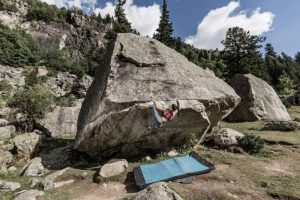
Rock climbing and bouldering in the Arctic offer unique challenges and breathtaking landscapes for adventure enthusiasts. The polar regions boast stunning rock formations and rugged terrains that provide a thrilling experience for climbers looking to test their skills in extreme environments.
Rock Climbing Sites in the Arctic
- One of the popular rock climbing sites in the Arctic is the Baffin Island in Canada, known for its granite walls and challenging routes.
- Greenland also offers excellent rock climbing opportunities with its towering cliffs and untouched wilderness.
- Svalbard in Norway provides a mix of sea cliffs and granite walls for climbers seeking diverse challenges.
Unique Rock Formations and Challenges
- The Arctic landscapes feature stunning rock formations shaped by glaciers and extreme weather conditions, creating a one-of-a-kind setting for climbers.
- Climbers in the Arctic face challenges such as unpredictable weather, limited daylight hours, and remote locations, adding an element of adventure to their expeditions.
Tips for Arctic Rock Climbers
- Always check weather conditions and pack appropriate gear for the cold climate.
- Plan your climbs carefully and be prepared for changing conditions in Arctic terrains.
- Stay hydrated and fuelled with high-energy snacks to sustain your energy levels during climbs.
Sense of Adventure and Accomplishment
- Rock climbing in the Arctic offers a sense of accomplishment as climbers conquer challenging routes in a pristine and untouched environment.
- The stunning views and unique experiences make Arctic rock climbing a memorable and rewarding adventure for those seeking a thrill in the polar regions.
Wildlife Watching and Birding in Arctic Habitats
The Arctic region is home to a diverse range of wildlife species, making it a prime destination for wildlife enthusiasts and birdwatchers alike. From majestic polar bears to elusive Arctic foxes, visitors to the Arctic have the opportunity to observe these magnificent creatures in their natural habitat.
Diverse Wildlife Species in Arctic Habitats
Arctic habitats are teeming with a variety of wildlife species, including:
- Polar bears
- Arctic foxes
- Beluga whales
- Walruses
- Seals
- Various species of seabirds
Best Practices for Wildlife Watching in the Arctic
When engaging in wildlife watching in the Arctic, it is crucial to follow these best practices:
- Respect the animals’ space and avoid disturbing them
- Observe from a safe distance to ensure the animals’ well-being
- Refrain from feeding or approaching the wildlife
- Dispose of waste properly to prevent harm to the environment
Conservation Efforts for Arctic Wildlife
Several conservation efforts are in place to protect Arctic wildlife, including:
- Establishment of protected areas and marine reserves
- Research and monitoring programs to track wildlife populations
- Education and awareness initiatives to promote conservation
- Collaboration with local communities to implement sustainable practices
Importance of Responsible Wildlife Tourism in Polar Regions
Responsible wildlife tourism plays a crucial role in preserving Arctic habitats and species by:
- Supporting conservation efforts through sustainable tourism practices
- Creating economic incentives for local communities to protect wildlife
- Raising awareness about the importance of wildlife conservation
- Ensuring the long-term viability of Arctic ecosystems for future generations
Trail Running Adventures in Arctic Landscapes
Trail running in the Arctic offers a unique and exhilarating experience for outdoor enthusiasts seeking new challenges and stunning landscapes. The icy terrain, crisp air, and breathtaking views make it a one-of-a-kind adventure for those willing to push their limits.
Scenic Trail Running Routes in the Arctic
- Explore the rugged trails of Svalbard, Norway, with views of glaciers and fjords.
- Run along the coastline of Greenland, taking in the vast icebergs and Arctic wildlife.
- Discover the remote trails of Alaska, USA, surrounded by snow-capped mountains and pristine wilderness.
Physical and Mental Challenges of Arctic Trail Running
- Endure the extreme cold temperatures and unpredictable weather conditions.
- Navigate icy and slippery terrain, requiring agility and balance.
- Maintain mental resilience and focus in isolated and challenging environments.
Training Tips and Gear Recommendations for Arctic Trail Runners
- Build endurance and strength with cross-training and interval workouts.
- Layer up with moisture-wicking and insulating clothing to stay warm and dry.
- Invest in trail running shoes with aggressive tread for traction on snow and ice.
Unique Experiences and Rewards of Trail Running in Polar Regions
- Witness the stunning beauty of Arctic landscapes and wildlife up close.
- Challenge yourself physically and mentally in a truly wild and remote setting.
- Experience a sense of accomplishment and connection with nature unlike any other.
Adventure Sports in the Arctic
When it comes to adventure sports, the Arctic offers a unique and thrilling playground for adrenaline junkies seeking extreme experiences in a breathtaking natural setting.
Popular Adventure Sports Activities in Arctic Destinations
- Ice Climbing: Scaling frozen waterfalls and ice formations in remote Arctic landscapes.
- Dog Sledding: Racing through snowy terrain pulled by a team of strong and agile sled dogs.
- Snowmobiling: Exploring vast icy landscapes at high speeds on a motorized snow vehicle.
- Cross-Country Skiing: Gliding through snow-covered forests and tundra on skis.
- Polar Plunging: Taking a dip in freezing Arctic waters for a chilling thrill.
Adrenaline-Pumping Experiences Offered by Arctic Adventure Sports
Engaging in adventure sports in the Arctic provides an unparalleled rush of adrenaline as participants conquer challenging terrains, extreme weather conditions, and the raw beauty of the polar wilderness. The combination of physical exertion and the pristine, untamed environment creates an unforgettable and exhilarating experience.
Safety Guidelines for Participants in Extreme Sports in the Arctic
- Always be prepared for rapidly changing weather conditions and dress in appropriate layers.
- Follow the guidance of experienced guides and instructors who are familiar with the local environment.
- Ensure proper equipment maintenance and safety checks before embarking on any adventure sports activity.
- Stay hydrated and nourished to maintain energy levels in the cold Arctic climate.
- Respect wildlife and natural habitats, and adhere to Leave No Trace principles to minimize impact on the environment.
Growth of Adventure Sports Tourism in Polar Regions
With a rise in interest for unique and adrenaline-fueled experiences, adventure sports tourism in polar regions like the Arctic has seen significant growth in recent years. Travelers seeking a combination of thrill-seeking activities and exploration of untouched landscapes are drawn to the challenges and rewards of Arctic adventure sports. This surge in popularity has led to the development of specialized tour operators and facilities catering to adventurous travelers looking to push their limits in the far north.
Final Summary
As you wrap up your journey through the best time for Arctic expeditions, remember the incredible sights, sounds, and experiences that await you in this remote and captivating region. Whether you’re seeking wildlife encounters or simply craving the beauty of untouched landscapes, the Arctic promises an unforgettable adventure for all who dare to explore it.
General Inquiries
When is the best time to visit the Arctic for expeditions?
The ideal time is during the summer months, from June to August, when the weather is milder and wildlife sightings are abundant.
What wildlife can I expect to see during Arctic expeditions?
You may encounter polar bears, whales, seals, and various bird species like puffins and Arctic terns.