Embark on a journey through history with Historical and Archaeological Educational Trips, where the past comes alive outside the classroom.
Explore famous historical sites, enhance learning experiences, and discover the significance of these educational adventures.
Historical and Archaeological Educational Trips
Historical and archaeological educational trips play a vital role in understanding the past by providing students with hands-on experiences that bring history to life. These trips allow participants to immerse themselves in the culture, architecture, and artifacts of ancient civilizations, making history more tangible and engaging.
The Importance of Historical and Archaeological Educational Trips
Historical and archaeological educational trips offer students the opportunity to learn outside the confines of a classroom, enabling them to witness historical sites firsthand and gain a deeper appreciation for the past. By exploring these sites, students can connect with history on a personal level, making it more memorable and impactful.
Enhancing Learning Experiences Outside the Classroom
- Provide hands-on learning experiences that cater to different learning styles.
- Engage students in interactive activities such as archaeological digs or historical reenactments.
- Encourage critical thinking and problem-solving skills through on-site exploration and analysis.
- Promote cultural awareness and appreciation for diverse historical perspectives.
Famous Historical Sites for Educational Trips
| Site | Location |
| Pyramids of Giza | Egypt |
| Colosseum | Rome, Italy |
| Machu Picchu | Peru |
| Pompeii | Italy |
Tips for Planning a Successful Historical and Archaeological Educational Trip
- Research historical sites in advance to create a detailed itinerary.
- Arrange for knowledgeable guides or historians to provide insights during the trip.
- Prepare students with background information and pre-trip activities to enhance learning.
- Ensure safety measures are in place and students are aware of the cultural significance of the sites visited.
Shopping Vacation
A shopping vacation is a unique travel experience that revolves around exploring different destinations for the sole purpose of shopping. It offers travelers the opportunity to immerse themselves in the local culture, discover unique products, and shop for souvenirs or items that may not be available in their home country.
Shopping Vacations Around the World
Shopping vacations vary greatly depending on the destination. In cities like Paris, travelers can indulge in high-end fashion brands and luxury boutiques, while in places like Marrakech, visitors can explore vibrant markets filled with handmade crafts and traditional goods.
Cultural Aspects and Education
- Shopping vacations provide insight into the local economy and the way people buy and sell goods in different parts of the world.
- Exploring markets and shops can also offer a glimpse into the history and traditions of a place, allowing travelers to learn about local craftsmanship and cultural practices.
- Interacting with local vendors and artisans can provide a deeper understanding of the community and create meaningful connections during the trip.
Tips for a Successful Shopping Vacation
- Research the best shopping areas in advance to make the most of your time.
- Be open to bargaining and negotiating prices, especially in markets and street stalls.
- Try to shop during weekdays or off-peak hours to avoid crowds and get a more personal shopping experience.
- Consider shipping options or luggage restrictions when purchasing items that may be bulky or fragile.
Arctic and Polar Expeditions
Embarking on Arctic and polar expeditions offers a once-in-a-lifetime opportunity to explore some of the most remote and pristine regions on Earth. These icy landscapes hold a wealth of history, unique wildlife, and breathtaking scenery waiting to be discovered.
Challenges and Rewards
Arctic and polar expeditions present travelers with a mix of challenges and rewards. Navigating through icy waters, extreme weather conditions, and limited resources can be daunting. However, the chance to witness the beauty of untouched landscapes, observe majestic wildlife like polar bears and whales, and experience the peaceful solitude of these regions make it all worthwhile.
Importance of Eco-Friendly Practices
It is crucial to prioritize eco-friendly practices during Arctic and polar expeditions to minimize the impact on these sensitive environments. Proper waste disposal, using biodegradable products, and respecting wildlife habitats are essential to preserving the fragile ecosystems of the Arctic and polar regions for future generations.
Safety Tips for Travelers
- Always dress in layers to stay warm and dry in unpredictable weather conditions.
- Stay hydrated and nourished to maintain energy levels during outdoor activities.
- Follow the guidance of experienced guides and experts to navigate safely through the icy terrain.
- Carry essential safety gear such as GPS devices, emergency beacons, and first aid kits at all times.
- Be prepared for sudden changes in weather and have a plan in place for emergencies.
Music Festival Tour
Music festivals around the world offer a vibrant atmosphere that attracts tourists from all corners of the globe. The combination of live music, energetic crowds, and a sense of community creates a unique and unforgettable experience for attendees.
Cultural Significance of Music Festival Tours
Music festival tours provide a deep dive into the cultural fabric of a country or region. They showcase local music, art, and traditions, offering tourists a chance to immerse themselves in the heritage and creativity of the host location.
- Music festivals serve as a platform for artists to express themselves and share their talent with audiences, contributing to the preservation and promotion of cultural identities.
- These events often feature traditional performances, workshops, and exhibitions that highlight the rich history and customs of the area, allowing visitors to engage with the local culture in a meaningful way.
- Attending a music festival tour can also foster cross-cultural exchange and understanding, as participants come together to celebrate music and art regardless of their backgrounds or beliefs.
Planning a Music Festival Tour Itinerary
When planning a music festival tour itinerary, it’s essential to consider factors such as the festival dates, location, lineup, and accommodation options. Here are some tips to help you organize a memorable and seamless experience:
- Research various music festivals to find one that aligns with your musical preferences and travel dates.
- Book tickets and accommodation in advance to secure your spot and take advantage of early bird discounts.
- Create a detailed itinerary that includes transportation arrangements, festival schedules, and any additional activities or sightseeing opportunities in the area.
- Pack essentials such as comfortable clothing, sunscreen, a reusable water bottle, and ear protection to ensure a safe and enjoyable festival experience.
Genres of Music Festivals Around the World
Music festivals come in various genres, catering to diverse tastes and preferences. From rock and pop to electronic and jazz, there is a festival for every music lover to enjoy. Here are some popular genres of music festivals around the world:
Rock Festivals: Featuring iconic rock bands and artists, these festivals attract fans of classic and alternative rock music.
Electronic Dance Music (EDM) Festivals: Known for their high-energy performances and cutting-edge production, EDM festivals offer an electrifying experience for electronic music enthusiasts.
Jazz Festivals: Celebrating the art of jazz music, these festivals showcase talented musicians and provide a laid-back atmosphere for jazz aficionados to appreciate.
World Music Festivals: Highlighting the diversity of global music traditions, world music festivals bring together artists from different cultures to create a unique and harmonious musical fusion.
Rainforest Exploration
Rainforest exploration plays a crucial role in biodiversity conservation by providing researchers with the opportunity to study and protect the diverse ecosystems within these regions.
Importance of Rainforest Exploration for Biodiversity Conservation
- Rainforests are home to a wide variety of plant and animal species, many of which are not found anywhere else on Earth. By exploring these areas, scientists can discover new species and better understand the interconnectedness of different ecosystems.
- Studying rainforests helps researchers identify and protect endangered species, as well as develop conservation strategies to preserve these vital habitats for future generations.
- Exploration also allows scientists to monitor the impacts of climate change and human activities on rainforest ecosystems, providing valuable data for conservation efforts.
Benefits of Ecotourism in Rainforest Regions
- Ecotourism in rainforest regions can provide local communities with sustainable economic opportunities, helping to reduce reliance on activities that harm the environment.
- By engaging with tourists, local communities are incentivized to protect their natural resources and wildlife, leading to conservation efforts and the preservation of biodiversity.
- Ecotourism also raises awareness about the importance of rainforest conservation among visitors, encouraging them to support efforts to protect these valuable ecosystems.
Flora and Fauna Encountered During Rainforest Exploration
- Rainforest exploration offers the chance to encounter a diverse range of plant life, including towering trees, colorful orchids, and unique medicinal plants with potential for new pharmaceutical discoveries.
- On the fauna side, explorers may come across a variety of wildlife such as monkeys, birds, reptiles, insects, and elusive big cats like jaguars and ocelots.
- The intricate relationships between these species and their habitats can provide valuable insights into the complexity and fragility of rainforest ecosystems.
Responsible Travel Practices for Rainforest Exploration
- Follow designated trails and paths to avoid damaging delicate plant life and habitats, staying on marked routes to minimize impact on the environment.
- Avoid feeding wildlife or disturbing their natural behaviors, respecting the animals’ space and minimizing human interference in their daily routines.
- Support local conservation initiatives and eco-friendly accommodations to contribute positively to the preservation of rainforest ecosystems and the communities that depend on them.
Spiritual Pilgrimage
Embarking on a spiritual pilgrimage is a profound journey that goes beyond physical travel. It involves seeking a connection to something greater than oneself, whether it be a higher power, nature, or one’s inner self. Pilgrimages are often undertaken for religious or spiritual reasons, with the goal of finding meaning, enlightenment, or healing.
The Cultural and Historical Aspects of Famous Pilgrimage Sites
Pilgrimage sites around the world hold significant cultural and historical importance. Places like Mecca for Muslims, Jerusalem for Christians, Bodh Gaya for Buddhists, and Varanasi for Hindus are just a few examples of famous pilgrimage destinations. These sites are not only religious centers but also repositories of history, art, and architecture that reflect the beliefs and practices of a particular faith or tradition.
- Mecca: Considered the holiest city in Islam, Mecca is the birthplace of the Prophet Muhammad and the site of the Kaaba, the most sacred shrine in Islam.
- Jerusalem: Revered by Christians, Jews, and Muslims, Jerusalem is a city of immense religious significance, housing important sites like the Western Wall, the Church of the Holy Sepulchre, and the Dome of the Rock.
- Bodh Gaya: Known as the place where Siddhartha Gautama attained enlightenment and became the Buddha, Bodh Gaya is a major pilgrimage site for Buddhists from around the world.
- Varanasi: Situated on the banks of the Ganges River, Varanasi is one of the oldest continuously inhabited cities in the world and a sacred place for Hindus to perform rituals and seek spiritual purification.
Personal Stories and Testimonials
Embarking on a spiritual pilgrimage can be a transformative experience for individuals. Many pilgrims share stories of feeling a profound sense of peace, connection, and clarity during their journey. Some describe spiritual revelations, healing of emotional wounds, or a deepened sense of faith and purpose as a result of their pilgrimage.
-
“Walking the Camino de Santiago was a life-changing experience for me. It allowed me to disconnect from the distractions of everyday life and focus on my spiritual journey.”
-
“Visiting the Golden Temple in Amritsar filled me with a sense of awe and reverence. Witnessing the devotion of the Sikh community was truly inspiring.”
Tips for Planning a Meaningful Spiritual Pilgrimage
Planning a spiritual pilgrimage requires careful consideration and intention to make the journey as meaningful as possible. Here are some tips to help you plan a fulfilling pilgrimage experience:
- Research your destination thoroughly to understand its significance and historical context.
- Prepare mentally and emotionally for the challenges and spiritual growth that may come during the pilgrimage.
- Connect with local guides or spiritual leaders to gain a deeper understanding of the religious and cultural practices at the pilgrimage site.
- Stay open-minded and allow yourself to be present in the moment, embracing the spiritual energy and insights that come along the way.
Geotourism Adventure
Geotourism focuses on promoting tourism that sustains or enhances the geographical character of a place, its environment, culture, aesthetics, heritage, and the well-being of its residents.
Principles of Sustainable Tourism in Geotourism Adventures
- Minimizing negative impacts on the environment and local communities
- Supporting conservation efforts and protecting natural resources
- Respecting and preserving local cultures and traditions
- Providing socio-economic benefits to local communities
Examples of Geotourism Destinations Around the World
- Galápagos Islands, Ecuador: Known for its unique wildlife and conservation efforts
- Geopark Shetland, Scotland: Showcases geological heritage and local culture
- Phong Nha-Ke Bang National Park, Vietnam: Features stunning caves and biodiversity
Promoting Conservation and Community Development through Geotourism
Geotourism can play a vital role in promoting conservation by raising awareness about the importance of preserving natural landscapes and wildlife. By supporting local communities through responsible tourism practices, geotourism can contribute to sustainable development, empower residents, and improve livelihoods.
Birdwatching Vacation
Birdwatching vacations are a perfect retreat for nature enthusiasts looking to immerse themselves in the beauty of avian life. The peaceful and serene act of observing birds in their natural habitats can be both relaxing and exhilarating, making it a popular choice for those seeking a connection with nature.
The Appeal of Birdwatching Vacations
Embarking on a birdwatching vacation allows individuals to witness a diverse array of bird species in their natural habitats. From colorful songbirds to majestic birds of prey, each sighting offers a unique and memorable experience. The opportunity to observe rare and elusive species adds an element of thrill and excitement to the adventure, making birdwatching a rewarding and fulfilling activity.
Birdwatching Hotspots Globally
- Africa: Countries like Kenya, South Africa, and Tanzania offer incredible birdwatching opportunities with a wide variety of species in diverse ecosystems.
- South America: The Amazon Rainforest and the Galapagos Islands are renowned for their unique bird species that cannot be found anywhere else in the world.
- Asia: From the Himalayan region to the forests of Borneo, Asia is home to a rich birdlife, including the iconic species like the Himalayan Monal and the Bornean Bristlehead.
Birdwatching Etiquette and Best Practices
- Respect the birds’ habitats by minimizing disturbance and avoiding loud noises or sudden movements that could scare them away.
- Use binoculars or a spotting scope to observe birds from a distance without intruding on their space.
- Learn to identify birds by their calls and behaviors to enhance your birdwatching experience and appreciation.
Benefits of Birdwatching for Mental Health
Engaging in birdwatching has been shown to have a positive impact on mental health, reducing stress and anxiety levels. The meditative aspect of birdwatching, combined with the calming effects of nature, can promote relaxation and mindfulness. Additionally, the sense of accomplishment and wonder that comes from spotting rare bird species can boost self-esteem and overall well-being.
Remote Island Retreat
Remote island retreats hold a special allure for travelers seeking solitude, tranquility, and a break from the hustle and bustle of everyday life. These secluded destinations offer a unique opportunity to disconnect from the outside world and immerse oneself in the beauty of nature.Visiting remote islands, however, comes with its own set of challenges and rewards. The journey to these isolated locations can be arduous, involving long hours of travel by boat or plane.
Once there, travelers may face limited amenities and services, requiring them to adapt to a simpler way of living. On the flip side, the untouched landscapes, pristine beaches, and breathtaking views make the effort well worth it for those seeking a true escape.
Hidden Gems and Lesser-Known Destinations
When it comes to remote island retreats, there are hidden gems and lesser-known destinations waiting to be discovered. Places like the Faroe Islands in the North Atlantic, the Andaman Islands in the Indian Ocean, or the Azores in the middle of the Atlantic Ocean offer a unique blend of natural beauty, culture, and serenity. These off-the-beaten-path locations provide a truly immersive experience for travelers looking to explore uncharted territory.
Sustainable Travel Practices
To ensure the preservation of these fragile ecosystems, it is crucial to practice sustainable travel when visiting remote islands. This includes respecting local customs and traditions, minimizing waste and carbon footprint, and supporting local communities through responsible tourism. By treading lightly on these pristine landscapes, travelers can help protect these remote island retreats for future generations to enjoy.
Volunteer Vacation
Volunteer vacations provide individuals with the opportunity to travel while making a positive impact on local communities around the world. Participants engage in various volunteer activities during their trips, such as conservation work, teaching, community development projects, and more.
Concept of Volunteer Vacations
Volunteer vacations involve travelers dedicating a portion of their time to assist communities in need. These trips aim to create sustainable change, promote cultural exchange, and foster a sense of global citizenship among participants.
Benefits of Volunteering Abroad
- Opportunity to make a meaningful difference in the lives of others.
- Gain a deeper understanding of local cultures and customs.
- Develop new skills and broaden your perspective.
- Form lasting connections with like-minded individuals from around the world.
Personal Experiences
Many individuals who have participated in volunteer vacations have shared transformative experiences. They recount feeling a sense of fulfillment, purpose, and gratitude for being able to contribute to the well-being of others. These experiences often leave a lasting impact on both the volunteers and the communities they serve.
Finding Reputable Programs
- Research organizations that have a proven track record of community engagement and sustainable projects.
- Read reviews and testimonials from past volunteers to gauge the credibility of the program.
- Ensure transparency in program fees, project details, and support provided during the trip.
- Verify the organization’s commitment to ethical volunteering practices and responsible tourism.
Farm Stay Vacation
Staying on a farm during a vacation offers a unique opportunity to connect with nature, learn about sustainable farming practices, and experience the tranquility of rural life. Farm stay vacations can be educational, relaxing, and enriching experiences for travelers of all ages.
Unique Experiences Offered by Farm Stay Vacations
- Participating in farm chores such as feeding animals, milking cows, or harvesting crops
- Learning about organic farming practices and sustainable agriculture
- Enjoying farm-fresh meals made with locally sourced ingredients
- Exploring the surrounding countryside on nature walks or bike rides
- Interacting with farm animals and experiencing the joys of rural life
Educational Value of Staying on a Farm
- Hands-on learning opportunities about where food comes from and the importance of agriculture
- Understanding the connection between humans, animals, and the environment
- Gaining insight into the challenges and rewards of sustainable farming practices
- Appreciating the hard work and dedication of farmers in producing our food
Tips for Choosing the Right Farm Stay Vacation
- Consider the location and type of farm (e.g., dairy farm, vineyard, organic farm)
- Look for reviews and recommendations from previous guests
- Determine the level of involvement in farm activities you desire (e.g., hands-on vs. observational)
- Check for amenities and accommodations that suit your preferences and comfort level
Benefits of Connecting with Nature Through Farm Stay Vacations
- Reducing stress and improving mental well-being through immersion in natural surroundings
- Promoting environmental awareness and appreciation for the natural world
- Encouraging a healthier lifestyle through outdoor activities and farm-fresh meals
- Fostering a deeper sense of gratitude and respect for the earth and its resources
Educational Vacation
Taking an educational vacation is a fantastic way to combine travel and learning, offering a unique opportunity for personal growth and enrichment. These trips are designed to provide participants with a deeper understanding of a specific subject or destination, allowing them to expand their knowledge while exploring new places.
Types of Educational Vacations
- Historical Tours: Visiting ancient sites, museums, and landmarks to learn about the history and culture of a region.
- Language Learning Trips: Immersing oneself in a foreign language through classes, cultural activities, and interactions with locals.
- Ecological Expeditions: Studying wildlife, ecosystems, and conservation efforts in natural environments.
- Culinary Tours: Exploring local cuisine, traditional cooking methods, and food culture in different regions.
Combining Learning and Leisure
When planning an educational vacation, it’s essential to strike a balance between learning and leisure activities. This can be achieved by scheduling educational tours or workshops in the morning and leaving the afternoons free for exploration or relaxation. Engaging in hands-on experiences, such as cooking classes or language practice with locals, can also enhance the learning process while enjoying the trip.
Impact on Lifelong Learning
Participating in educational vacations can have a lasting impact on lifelong learning by sparking curiosity, broadening perspectives, and fostering a love for continuous education. The knowledge and skills acquired during these trips can be applied in various aspects of life, leading to personal growth and intellectual development.
Hiking and Trekking
Hiking and trekking are popular outdoor activities that offer a wide range of both physical and mental benefits. Whether you’re exploring a local trail or embarking on a multi-day trek in a remote wilderness area, these activities can have a profound impact on your overall well-being.
Physical and Mental Benefits of Hiking and Trekking
- Improves cardiovascular fitness and muscle strength
- Boosts mood and reduces stress levels
- Enhances overall mental well-being and cognitive function
- Provides an opportunity to disconnect from technology and connect with nature
Popular Hiking and Trekking Destinations Worldwide
- The Inca Trail in Peru
- The Appalachian Trail in the United States
- The Tour du Mont Blanc in Europe
- The Milford Track in New Zealand
Essential Gear and Safety Tips for Hikers and Trekkers
- Proper hiking boots with ankle support
- Layered clothing appropriate for the weather conditions
- Navigational tools such as a map, compass, or GPS device
- Ample water and high-energy snacks
- First aid kit and emergency supplies
Connection Between Hiking, Nature Appreciation, and Mental Well-being
Hiking and trekking allow individuals to immerse themselves in the beauty of the natural world, fostering a sense of awe and appreciation for the environment. This connection to nature has been shown to have a positive impact on mental health, reducing symptoms of anxiety and depression while promoting overall well-being.
Camping
Camping is a popular recreational outdoor activity that allows individuals to connect with nature, unwind from the hustle and bustle of daily life, and create lasting memories in the great outdoors.When it comes to camping, there are various types of experiences that cater to different preferences and comfort levels. From rugged wilderness camping where you pitch a tent in the backcountry to luxurious glamping experiences that offer the comforts of home in a natural setting, there is something for everyone.
Types of Camping Experiences
- Backcountry Camping: Involves hiking to remote areas and setting up camp in the wilderness, away from amenities.
- RV Camping: Traveling and camping in a recreational vehicle equipped with living quarters.
- Glamping: Glamorous camping that combines luxury amenities with the beauty of nature.
- Car Camping: Driving to a campsite and setting up a tent near your vehicle for easy access to supplies.
Camping Tips
- Choose the right campsite based on your preferences and level of experience.
- Pack essentials such as a tent, sleeping bag, cooking supplies, and appropriate clothing.
- Practice Leave No Trace principles to minimize your environmental impact.
- Be prepared for changing weather conditions and wildlife encounters.
Environmental Impact and Sustainable Camping Practices
- Reduce waste by using reusable camping gear and packing out all trash.
- Respect wildlife and their habitats by observing from a distance and not feeding animals.
- Use eco-friendly products and minimize energy consumption during your camping trip.
- Support campgrounds and organizations that promote sustainable camping practices.
Cycling and Mountain Biking
Cycling and mountain biking are not only enjoyable outdoor activities but also great ways to stay physically active and promote environmental sustainability. These activities offer numerous benefits for both individuals and the planet.
Benefits of Cycling and Mountain Biking
- Cycling and mountain biking are excellent forms of cardiovascular exercise, helping to improve heart health, stamina, and overall fitness.
- By choosing to bike instead of drive, individuals reduce their carbon footprint and contribute to lower greenhouse gas emissions, promoting a cleaner environment.
- Engaging in cycling and mountain biking can boost mental well-being, reduce stress, and increase happiness through outdoor recreation and exposure to nature.
Popular Cycling and Mountain Biking Routes
- The Great Divide Mountain Bike Route in North America is a famous off-road trail running from Canada to Mexico, offering stunning mountain views and challenging terrain.
- The Camino de Santiago in Spain is a popular pilgrimage route that can also be done by bike, providing a unique cultural and physical experience for cyclists.
- The Alps in Europe offer a variety of mountain biking trails for all skill levels, with breathtaking landscapes and thrilling descents.
Tips for Choosing the Right Bike and Gear
- Consider the type of terrain you will be riding on to choose the appropriate bike – mountain bikes for off-road trails, road bikes for paved roads, etc.
- Invest in a good helmet, gloves, padded shorts, and sturdy shoes to ensure safety and comfort during your cycling or mountain biking adventures.
- Adjust the bike’s seat height and handlebar position to ensure a proper fit and reduce the risk of injury or discomfort while riding.
Off-Road Mountain Biking Thrills and Challenges
- Off-road mountain biking provides an adrenaline rush and sense of adventure as riders navigate rugged terrains, rocky paths, and steep descents.
- Challenges such as technical obstacles, unpredictable weather conditions, and physical endurance requirements make off-road mountain biking a thrilling and rewarding experience.
- Mastering skills like balance, control, and agility is essential for conquering challenging off-road trails and enjoying the excitement of mountain biking to the fullest.
Fishing and Angling

Fishing and angling are popular outdoor activities that provide a relaxing and rewarding experience for individuals of all ages. Whether it’s casting a line in a tranquil freshwater lake or embarking on an exciting deep-sea fishing expedition, there are various types of fishing experiences to explore.
Types of Fishing Experiences
- Freshwater Fishing: This type of fishing typically involves casting a line in rivers, lakes, or streams to catch species like trout, bass, and catfish.
- Saltwater Fishing: Saltwater fishing takes place in oceans, seas, and coastal areas, targeting species such as tuna, marlin, and snapper.
- Deep-Sea Fishing: Deep-sea fishing involves venturing far offshore to catch large game fish like swordfish, mahi-mahi, and sharks.
Fishing Tips for Beginners and Enthusiasts
- Invest in quality fishing gear, including rods, reels, lines, and bait, to enhance your fishing experience.
- Learn basic fishing techniques such as casting, reeling, and setting the hook to increase your chances of a successful catch.
- Research the best fishing spots and times of day to maximize your fishing opportunities and increase your chances of catching fish.
- Practice patience and perseverance, as fishing requires time and dedication to master the art of angling.
Importance of Responsible Fishing Practices
Fishing enthusiasts must prioritize responsible fishing practices to ensure the long-term sustainability of fish populations and marine ecosystems. By following catch limits, practicing catch and release, and avoiding overfishing, anglers can contribute to conservation efforts and preserve natural habitats for future generations.
Kayaking and Canoeing
Kayaking and canoeing offer a perfect blend of serenity and adventure as you glide through the calm waters, surrounded by nature’s beauty. Whether you prefer the tranquility of a lake or the excitement of a river rapids, these water activities provide a unique way to explore the great outdoors.When it comes to physical fitness, kayaking and canoeing are excellent options for a full-body workout.
Paddling engages your arms, shoulders, back, and core muscles, helping to improve strength, endurance, and cardiovascular health. Plus, being out in nature can have positive effects on mental well-being, reducing stress and promoting relaxation.
Choosing the Right Kayak or Canoe
- Consider the type of water you will be paddling on – calm lakes, slow-moving rivers, or rougher waters like sea kayaking.
- Think about your skill level and experience – beginners may prefer a wider, more stable kayak, while experienced paddlers may opt for a sleeker, faster model.
- Look at the features of the kayak or canoe, such as storage space, seating comfort, and stability, to ensure it meets your needs.
- Try out different models before making a decision to see which one feels the most comfortable and suits your paddling style.
Popular Kayaking and Canoeing Destinations
- Boundary Waters Canoe Area Wilderness in Minnesota, USA – a vast network of lakes and waterways perfect for both beginners and experienced paddlers.
- Algonquin Provincial Park in Ontario, Canada – offers a mix of calm lakes and challenging rivers amidst stunning wilderness.
- Sea of Cortez in Mexico – ideal for sea kayaking with the chance to spot marine life like dolphins and sea lions.
- Everglades National Park in Florida, USA – explore mangrove tunnels and see diverse wildlife while paddling through this unique ecosystem.
Rock Climbing and Bouldering
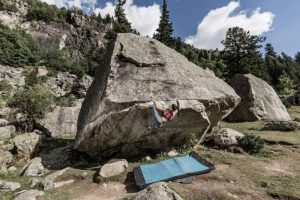
Rock climbing and bouldering are exciting outdoor activities that offer both physical and mental challenges. Climbers must navigate various rock formations, strategize their moves, and push their bodies to the limit in order to reach the top. These activities require strength, agility, problem-solving skills, and mental focus.
Types of Rock Climbing
- Indoor Climbing Gyms: These facilities provide artificial climbing walls with different routes and difficulty levels, allowing climbers to practice and improve their skills in a controlled environment.
- Outdoor Crags: Climbers can also tackle natural rock formations outdoors, ranging from cliffs to boulders. This type of climbing requires knowledge of outdoor safety practices and the ability to adapt to changing conditions.
Safety Tips and Techniques
- Always use proper climbing gear, including a helmet, harness, ropes, and carabiners.
- Check the condition of the rocks and make sure they are stable before climbing.
- Communicate with your climbing partner and establish clear signals for assistance.
- Learn and practice proper climbing techniques to minimize the risk of injuries.
Sense of Accomplishment and Personal Growth
Rock climbing and bouldering provide a unique sense of accomplishment as climbers overcome obstacles, conquer fears, and reach new heights. The challenges faced during these activities can help individuals build confidence, resilience, and a strong sense of determination. The feeling of success upon reaching the top of a difficult route is unparalleled and can lead to personal growth both mentally and physically.
Wildlife Watching and Birding
Wildlife watching and birding offer a unique opportunity to connect with nature and observe fascinating species in their natural habitats. The thrill of spotting elusive animals and rare birds can be a truly unforgettable experience.
Importance of Ethical Wildlife Viewing Practices
It is crucial to practice ethical wildlife viewing to minimize disturbance to animals and their habitats. This includes maintaining a safe distance, avoiding direct contact, and respecting their natural behaviors. By following ethical guidelines, we can ensure the well-being of wildlife and preserve their environment for future generations.
Tips on Wildlife Photography and Observation Techniques
- Use a telephoto lens to capture animals from a distance without disturbing them.
- Be patient and observant to anticipate animal movements and behaviors.
- Avoid using flash photography, as it can startle or disorient wildlife.
- Respect restricted areas and follow designated trails to minimize impact on the ecosystem.
Role of Wildlife Watching in Conservation Efforts
Wildlife watching plays a vital role in raising awareness about conservation issues and promoting biodiversity protection. By experiencing the beauty and diversity of wildlife firsthand, individuals are more likely to support conservation initiatives and contribute to preserving natural habitats.
Trail Running
Trail running offers a unique way to connect with nature while reaping physical and mental benefits. The combination of challenging terrains and serene landscapes creates an immersive experience for runners of all levels.
Physical and Mental Benefits
- Improves cardiovascular health and endurance
- Strengthens muscles and joints through varied terrains
- Boosts mental well-being by reducing stress and anxiety
- Enhances focus and mindfulness during the run
- Promotes a sense of accomplishment and self-confidence
Different Trail Running Terrains
- Mountain Trails: Offering steep inclines and rugged paths for a challenging workout
- Coastal Paths: Providing scenic views and softer terrains along the shoreline
- Forest Trails: Immersing runners in lush greenery and natural surroundings
- Desert Trails: Testing endurance in dry and sandy landscapes
Training Tips for Trail Runners
- Start with shorter distances and gradually increase mileage
- Incorporate strength training to prevent injuries and improve performance
- Practice proper hydration and nutrition for sustained energy levels
- Invest in quality trail running shoes with good grip and support
- Join a trail running group or community for motivation and safety
Connection Between Trail Running, Mindfulness, and Nature Appreciation
Trail running allows individuals to immerse themselves in the present moment, focusing on the sights, sounds, and sensations of the natural environment. This mindfulness practice not only enhances the running experience but also fosters a deep appreciation for the beauty of nature and the inherent connection between humans and the outdoors.
Adventure Sports
Adventure sports offer an exhilarating experience for thrill-seekers looking to push their limits and explore the unknown. From skydiving to whitewater rafting, these extreme activities provide an adrenaline rush like no other.
Types of Adventure Sports
- Rock Climbing: Scaling natural rock formations or artificial climbing walls requires strength, skill, and focus.
- Surfing: Riding the waves on a surfboard challenges balance and agility in the water.
- Bungee Jumping: Jumping from a high platform with a bungee cord attached provides a free-fall sensation.
- Skydiving: Jumping out of a plane and free-falling before deploying a parachute offers a unique perspective from above.
Risks and Rewards
Adventure sports come with inherent risks, but they also offer immense rewards in terms of personal growth and unforgettable experiences. It is essential to assess the risks involved in each activity and take necessary precautions to ensure safety.
Choosing the Right Adventure Sport
Consider your skill level, physical fitness, and comfort with heights or water when selecting an adventure sport. Start with beginner-friendly activities before progressing to more challenging ones to build confidence and expertise.
Safety Measures and Training
Proper safety gear, thorough training, and expert guidance are crucial for participating in adventure sports safely. Always follow instructions from experienced instructors and adhere to safety protocols to minimize risks and maximize enjoyment.
Wrap-Up
Immerse yourself in the richness of history and archaeology with each trip, gaining a deeper understanding of our past through hands-on experiences.
Answers to Common Questions
How can historical and archaeological educational trips benefit students?
These trips offer a unique hands-on learning experience that brings history to life, making it more engaging and memorable for students.
Are there age restrictions for participating in historical and archaeological educational trips?
Age restrictions may vary depending on the trip organizers, but many trips are designed to cater to students of all ages, from elementary school to college.
What is the typical duration of a historical and archaeological educational trip?
Trips can range from a few days to several weeks, depending on the destination and the depth of historical exploration planned.