Luxury Arctic Adventures sets the stage for this enthralling narrative, offering readers a glimpse into a story that is rich in detail and brimming with originality from the outset. From unique experiences to luxury accommodations, explore the allure of traveling to the remote Arctic in style.
Luxury Arctic Adventures

Embark on a journey like no other with luxury arctic adventures, where the breathtaking landscapes of the polar region meet unparalleled comfort and exclusivity.
Unique Experiences
Experience the thrill of dog sledding across vast icy plains, witness the mesmerizing Northern Lights from a cozy luxury lodge, or take a private helicopter tour over stunning glaciers.
Luxury Accommodations and Services
- Stay in lavish ice hotels with intricate ice sculptures and warm, luxurious bedding.
- Enjoy gourmet meals prepared by top chefs using fresh local ingredients.
- Indulge in spa treatments with panoramic views of snow-capped mountains and icy fjords.
Appeal of Luxury Travel
Despite the harsh climate, luxury travel in remote polar regions offers a unique sense of adventure combined with the comfort of high-end amenities. The exclusivity and personalized service in these extreme environments create unforgettable memories for discerning travelers seeking a once-in-a-lifetime experience.
Shopping Vacation
When planning a trip to the Arctic, one might not immediately think of it as a shopping destination. However, the Arctic region offers unique shopping experiences that are worth exploring. From locally made handicrafts to traditional clothing, there are plenty of treasures to be found in these remote locations.
Unique Shopping Experiences in the Arctic
One of the most unique shopping experiences in the Arctic is the opportunity to purchase authentic Indigenous artwork and crafts. These pieces often showcase traditional techniques and storytelling, making them truly special souvenirs. Additionally, Arctic regions are known for their high-quality fur and leather products, perfect for those looking for unique clothing items.
Challenges and Benefits of Shopping in Remote Locations
- Challenges:
- Limited selection: Due to the remote nature of Arctic communities, shopping options may be limited compared to urban areas.
- Higher prices: Imported goods can be more expensive in remote locations due to transportation costs.
- Weather conditions: Extreme weather conditions in the Arctic can impact shopping hours and availability of products.
- Benefits:
- Unique finds: Shopping in the Arctic allows you to discover one-of-a-kind items that you won’t find anywhere else.
- Supporting local artisans: By purchasing locally made goods, you are supporting the livelihoods of Arctic residents and preserving traditional craftsmanship.
- Cultural immersion: Shopping in the Arctic gives you a glimpse into the local culture and traditions through the products you encounter.
Tips for a Successful Shopping Vacation in the Arctic
- Research local artisans and shops in advance to know where to find the best handmade goods.
- Be prepared for higher prices and limited selection, and consider these factors when budgeting for your trip.
- Respect local customs and traditions when purchasing and handling Indigenous artwork and crafts.
- Check the opening hours of shops, as they may vary depending on the season and weather conditions.
- Consider bringing back small and lightweight souvenirs to minimize the impact on your luggage.
Arctic and Polar Expeditions
Arctic and polar expeditions offer unique opportunities to explore some of the most remote and breathtaking landscapes on Earth. While both Arctic and polar regions are characterized by extreme cold and stunning natural beauty, there are some key differences between the two types of expeditions.
Arctic Expeditions vs. Polar Expeditions
Arctic expeditions typically refer to trips taken to the Arctic region, which includes destinations like Greenland, Iceland, and the northern parts of Canada, Russia, and Scandinavia. These expeditions often focus on wildlife encounters, cultural experiences, and exploring the diverse ecosystems of the Arctic.On the other hand, polar expeditions usually involve journeys to the North and South Poles, with Antarctica being the most popular destination for polar exploration.
Polar expeditions are known for their vast icy landscapes, unique wildlife such as penguins and seals, and the chance to witness the stunning beauty of the polar regions.
Popular Destinations for Arctic and Polar Expeditions
Arctic
Greenland, Svalbard, Iceland, Canadian Arctic
Polar
Antarctica, North Pole, South Pole
Importance of Sustainable Tourism in Arctic and Polar Regions
Sustainable tourism is crucial in Arctic and polar regions to protect the delicate ecosystems and wildlife that call these areas home. By practicing responsible travel habits, such as minimizing waste, respecting wildlife, and supporting local communities, visitors can help preserve these pristine environments for future generations.
Personal Experiences from Arctic or Polar Expeditions
During my Arctic expedition to Svalbard, I was amazed by the vast glaciers, stunning fjords, and incredible wildlife encounters. From witnessing polar bears in their natural habitat to exploring historic whaling stations, every moment was filled with awe and wonder. The experience of being surrounded by such raw natural beauty left a lasting impression on me and reinforced the importance of protecting these fragile ecosystems.
Music Festival Tour
When it comes to experiencing music in a unique and unforgettable setting, the idea of a music festival tour in Arctic environments presents an intriguing proposition. The combination of live performances against the backdrop of stunning icy landscapes creates a one-of-a-kind experience for both artists and attendees.
Challenges and Benefits of Organizing Music Festivals in Remote Locations
Organizing music festivals in remote Arctic locations comes with its own set of challenges and benefits. The logistical hurdles of transportation, accommodation, and infrastructure can be daunting, but the opportunity to offer a truly immersive and intimate experience for festival-goers is unmatched.
- Challenges:
- Limited accessibility for attendees and performers
- Harsh weather conditions impacting event logistics
- Lack of existing infrastructure for stages and facilities
- Benefits:
- Unique and picturesque natural surroundings enhancing the festival experience
- Opportunity to showcase local talent and culture on a global platform
- Exclusive and intimate atmosphere for attendees
Unique Music Festivals in the Arctic
Several music festivals stand out for their distinctive Arctic settings and cultural significance. These events not only celebrate music but also serve as a platform for showcasing local traditions and artistry.
- Dark Music Days (Iceland): A contemporary music festival held in Reykjavik, Iceland, featuring a mix of Icelandic and international composers and performers.
- North of Superior Film and Music Festival (Canada): Located in Ontario’s Arctic region, this festival combines film screenings with live music performances in a stunning natural setting.
- Ilisimatusarfik Music Festival (Greenland): Celebrating Greenlandic music and culture, this festival brings together local and international artists for a unique musical experience.
Cultural Significance of Music Festivals in Arctic Communities
Music festivals play a vital role in Arctic communities by fostering a sense of community, preserving cultural heritage, and providing a platform for artistic expression. These events serve as important social gatherings that bring people together to celebrate music, art, and shared traditions.
Rainforest Exploration
Exploring the lush and vibrant rainforests presents a stark contrast to the icy landscapes of the Arctic. The dense canopy, diverse wildlife, and humid climate create a unique environment that offers a completely different experience for adventurers.
Contrast with Arctic Landscapes
Rainforests are characterized by their dense vegetation, high humidity, and warm temperatures, in stark contrast to the frozen tundra and icy waters of the Arctic. The vibrant colors, rich biodiversity, and cacophony of sounds in the rainforest create a sensory overload that is distinctly different from the serene but harsh beauty of the Arctic.
Challenges and Differences
Exploring rainforests poses its own set of challenges compared to Arctic regions. Navigating through dense vegetation, dealing with high humidity, and encountering a myriad of insects and wildlife require a different set of skills and preparation. The constant threat of rain, muddy trails, and limited visibility can make exploration more physically demanding and mentally taxing in rainforests.
Flora and Fauna
Rainforests are home to a vast array of unique flora and fauna, from towering trees to colorful birds and elusive mammals. The diverse plant life includes orchids, ferns, and towering canopy trees, while the animal kingdom boasts jaguars, sloths, monkeys, and a variety of reptiles and amphibians. The intricate ecosystems found in rainforests are a treasure trove of biodiversity waiting to be discovered.
Tips for a Memorable Exploration
- Be prepared for the humidity and dress in lightweight, breathable clothing.
- Wear sturdy hiking boots to navigate through muddy trails and uneven terrain.
- Pack insect repellent, sunscreen, and a rain jacket to protect yourself from the elements.
- Listen to the sounds of the rainforest and keep your eyes peeled for wildlife sightings.
- Hire a local guide to enhance your experience and learn about the unique ecosystem of the rainforest.
Spiritual Pilgrimage
Embarking on a spiritual pilgrimage in the Arctic offers a unique and profound experience for travelers seeking a deeper connection with nature and themselves. The vast, untouched landscapes of the Arctic region have long been revered by various cultures for their spiritual significance.
Spiritual Significance of Arctic Landscapes
- Arctic landscapes are often seen as sacred spaces by indigenous peoples such as the Inuit, who have a deep spiritual connection to the land, sea, and wildlife.
- The extreme conditions of the Arctic, including the harsh weather and isolation, can serve as a catalyst for self-reflection and personal growth during a spiritual journey.
- Many spiritual traditions view the Arctic as a place of purity and renewal, where individuals can disconnect from the distractions of modern life and reconnect with their inner selves.
Stories and Traditions of Spiritual Journeys
- In Inuit culture, shamans undertake spiritual quests to communicate with the spirits of the land and animals, seeking guidance and healing for their communities.
- The Sami people of Scandinavia have ancient traditions of drumming rituals and ceremonies that are performed in the Arctic wilderness to connect with the spiritual world.
- Explorers and adventurers throughout history have recounted profound spiritual experiences while traversing the Arctic, feeling a sense of awe and reverence for the natural world.
Tips for Spiritual Travelers in the Arctic
- Prepare for the physical and mental challenges of the Arctic environment, including extreme cold, long periods of darkness, and isolation.
- Engage with local indigenous communities to learn about their spiritual beliefs and practices, and participate in cultural ceremonies if invited.
- Spend time alone in nature to meditate, reflect, and connect with the energy of the Arctic landscape, allowing for personal growth and spiritual insights.
Geotourism Adventure
Geotourism involves exploring the geological features of a region while promoting conservation and sustainable travel practices. In the context of Arctic adventures, geotourism plays a crucial role in highlighting the unique geological wonders of the polar regions and raising awareness about the importance of preserving these fragile environments.
Geological Wonders in the Arctic
- The Arctic Circle: A unique geographical region characterized by the presence of the polar ice cap and the midnight sun.
- Glacial Landscapes: Stunning ice formations, glaciers, and icebergs that showcase the impact of climate change on the Arctic environment.
- Permafrost: Frozen ground that holds valuable information about the Earth’s past and is vulnerable to thawing due to global warming.
Preservation of Geological Sites
- Conserving geological sites in the Arctic is essential to maintain the delicate balance of the ecosystem and protect valuable scientific data.
- Human activities such as oil drilling and mining pose a threat to the Arctic’s geological heritage and must be regulated to prevent irreversible damage.
- Collaborative efforts between governments, scientists, and local communities are crucial in safeguarding these unique geological features for future generations.
Recommendations for a Geotourism Adventure in the Arctic
- Visit the Svalbard Global Seed Vault to learn about the importance of preserving biodiversity in the face of climate change.
- Explore the unique rock formations and volcanic landscapes of Iceland, known for its geothermal activity and stunning natural beauty.
- Take a guided tour to witness the Northern Lights, a spectacular natural phenomenon shaped by the Earth’s magnetic field and solar winds.
Birdwatching Vacation
Birdwatching in the Arctic offers a unique and exciting experience for nature enthusiasts. The vast wilderness and diverse ecosystems provide the perfect habitat for a wide variety of bird species, making it a paradise for birdwatchers.
Unique Bird Species
- The Snowy Owl: Known for its striking white plumage, the Snowy Owl is a majestic sight in the Arctic landscape.
- The Arctic Tern: This incredible migratory bird travels from the Arctic to Antarctica and back each year, covering a distance of over 40,000 kilometers.
- The Atlantic Puffin: With its colorful beak and distinctive appearance, the Atlantic Puffin is a favorite among birdwatchers in the Arctic.
Tips for Birdwatching Enthusiasts
- Bring a good pair of binoculars to observe birds from a distance without disturbing them.
- Learn to identify bird calls and songs to locate species more easily.
- Dress warmly in layers to stay comfortable during long periods of observation in the cold Arctic climate.
Best Times of Year
- Spring and summer are the best times for birdwatching in the Arctic, as many species migrate to the region to breed during these seasons.
- June and July are particularly good months for birdwatching, as the long daylight hours provide ample opportunities to spot birds in their natural habitat.
Remote Island Retreat
When it comes to seeking ultimate tranquility and serenity, a remote island retreat in Arctic destinations offers a unique escape from the hustle and bustle of everyday life. Disconnecting from technology and immersing oneself in the untouched beauty of nature can be a truly rejuvenating experience.
Benefits of Disconnecting from Technology in Remote Locations
Embracing a digital detox in a remote island retreat allows individuals to fully unwind and recharge without the distractions of constant connectivity. It offers a chance to reconnect with oneself, appreciate the simplicity of life, and be present in the moment.
Examples of Remote Island Retreats in the Arctic
- One such example is the remote island of Svalbard, known for its breathtaking Arctic landscapes and abundant wildlife. Visitors can experience the peace and quiet of this isolated paradise while taking in the stunning views of glaciers and polar bears.
- Another remote island retreat destination is Greenland, where travelers can escape to remote villages and immerse themselves in the rugged beauty of the Arctic wilderness. It’s a place where one can truly disconnect and find inner peace.
Insights on the Tranquility and Serenity of a Remote Island Retreat
Remote island retreats in the Arctic offer a sense of calm and tranquility that is hard to find elsewhere. The absence of noise pollution, the vast open spaces, and the untouched nature create an atmosphere of serenity that allows for deep relaxation and reflection. It’s a chance to escape the chaos of modern life and find peace in the simplicity of nature.
Volunteer Vacation
Volunteer vacations in Arctic communities offer travelers a unique opportunity to immerse themselves in the local culture while giving back to the community. These experiences can have a positive impact on the residents and the environment, fostering connections and promoting sustainable practices.
Opportunities for Volunteer Work in Arctic Communities
Volunteers in Arctic communities can contribute to various projects such as wildlife conservation, environmental clean-up, cultural preservation, and education initiatives. By participating in these programs, volunteers not only support local efforts but also gain a deeper understanding of the challenges faced by these remote communities.
Impact of Volunteer Vacations on Local Arctic Populations
Volunteer vacations can bring much-needed resources and expertise to Arctic communities, helping them address pressing issues and improve their quality of life. Additionally, these experiences can promote cross-cultural exchange, mutual understanding, and long-lasting relationships between volunteers and residents.
Personal Experiences from Participating in a Volunteer Vacation in the Arctic
Engaging in volunteer work in the Arctic can be a transformative experience, offering a new perspective on life and a sense of fulfillment from making a meaningful contribution. Whether assisting with research projects, assisting in local schools, or supporting conservation efforts, volunteers often come away with a deep appreciation for the region and its people.
Tips for Travelers Interested in Volunteering During Their Arctic Adventures
- Research reputable volunteer organizations that have established partnerships with Arctic communities.
- Consider your skills and interests to find a volunteer project that aligns with your strengths.
- Be respectful of local customs and traditions, and always follow guidelines provided by the program.
- Prepare for the challenges of living in a remote environment, including harsh weather conditions and limited amenities.
- Take the time to learn about the history and culture of the Arctic region to enhance your volunteering experience.
Farm Stay Vacation
Embarking on a farm stay vacation in Arctic regions offers a unique opportunity to immerse oneself in the local culture and lifestyle, while experiencing the beauty of the surrounding nature.
Unique Agricultural Practices in Arctic Communities
- Arctic communities often practice innovative agricultural techniques to overcome the challenges of the harsh climate, such as using greenhouses or hydroponic systems to grow produce.
- Reindeer herding is a traditional livelihood in many Arctic regions, providing a glimpse into the unique relationship between humans and animals in these communities.
- Fishing is another essential aspect of Arctic agriculture, with many communities relying on sustainable fishing practices to support their livelihoods.
Benefits of Experiencing Farm Life During a Vacation
- Connecting with nature: Farm stay vacations allow visitors to disconnect from the hustle and bustle of city life and reconnect with the natural world.
- Cultural immersion: Living on a farm in the Arctic provides a firsthand experience of the local traditions, cuisine, and way of life.
- Learning opportunities: Guests can participate in farm activities, such as harvesting crops or caring for animals, gaining new skills and knowledge along the way.
Recommendations for Farm Stay Accommodations in the Arctic
| Location | Accommodation |
|---|---|
| Greenland | Qasigiannguit Farm Lodge offers cozy accommodations on a working farm, where guests can participate in daily farm activities. |
| Iceland | Hrunalaug Retreat is a farm stay with hot springs on-site, providing a unique relaxation experience in a picturesque setting. |
| Norway | Lofoten Farm Lodge offers stunning views of the fjords and mountains, along with opportunities to engage in traditional farming practices. |
Educational Vacation
Exploring the educational opportunities available during Arctic adventures can provide a unique and enriching experience for travelers. Learning about Arctic ecosystems and cultures not only enhances your understanding of the region but also fosters a deeper appreciation for the environment and its inhabitants.
Importance of Learning
- Understanding the delicate balance of Arctic ecosystems helps in promoting conservation efforts and sustainable practices.
- Learning about indigenous cultures in the Arctic allows for a greater respect for traditions and heritage.
- Acquiring knowledge about the unique flora and fauna of the Arctic region contributes to global awareness of biodiversity.
Educational Programs and Workshops
- Arctic nature walks guided by experts in the field provide valuable insights into the local wildlife and environment.
- Cultural workshops led by indigenous community members offer a firsthand look at traditional practices and storytelling.
- Photography or art classes focused on capturing the beauty of the Arctic landscape can enhance your creative skills.
Tips for Maximizing Learning
- Engage with local guides and experts to gain in-depth knowledge about the region.
- Participate actively in workshops and hands-on experiences to fully immerse yourself in the educational opportunities available.
- Keep a journal or take notes to reflect on your learning and experiences during the educational vacation.
Hiking and Trekking
Hiking and trekking in Arctic landscapes have gained immense popularity in recent years due to the breathtaking beauty of the untouched wilderness and unique terrain. Adventurers are drawn to the challenge of exploring remote regions and witnessing the stunning natural wonders that the Arctic has to offer.
Must-Visit Hiking Trails in the Arctic
- The Arctic Circle Trail in Greenland: A 100-mile trek through diverse landscapes including valleys, rivers, and mountain passes.
- The Lofoten Islands in Norway: Known for its dramatic peaks, pristine beaches, and picturesque fishing villages.
- Laugavegur Trail in Iceland: A challenging trek through volcanic landscapes, colorful rhyolite mountains, and geothermal hot springs.
Safety Tips for Hiking and Trekking in Remote Arctic Regions
- Always check the weather forecast before heading out and be prepared for sudden changes in conditions.
- Carry essential gear such as a map, compass, first aid kit, extra food and water, and emergency shelter.
- Inform someone of your hiking plans and expected return time in case of emergencies.
- Stay on marked trails and be aware of wildlife encounters, including polar bears in some regions.
Stunning Natural Beauty While Hiking in the Arctic
The Arctic offers unparalleled opportunities to witness awe-inspiring landscapes including vast glaciers, snow-capped mountains, crystal-clear fjords, and unique Arctic flora and fauna. Hiking in this pristine environment provides a sense of solitude and connection to nature that is truly unforgettable.
Camping
Camping in the Arctic wilderness offers a unique and unforgettable experience for adventure seekers looking to immerse themselves in the stunning natural beauty of the region. Despite the extreme cold conditions, camping in the Arctic can be incredibly rewarding for those well-prepared for the challenges that come with it.
Challenges and Rewards
- Challenges: Camping in the Arctic presents challenges such as sub-zero temperatures, unpredictable weather conditions, and limited daylight hours during certain times of the year. It requires proper gear, clothing, and knowledge of survival skills to ensure a safe and enjoyable experience.
- Rewards: The rewards of camping in the Arctic include breathtaking views of the Northern Lights, the opportunity to witness unique wildlife species in their natural habitat, and a sense of solitude and connection with nature that is hard to find elsewhere.
Essential Gear and Preparation Tips
- Essential Gear: Invest in high-quality cold-weather camping gear such as a four-season tent, a warm sleeping bag rated for low temperatures, insulated clothing layers, and a reliable stove for cooking in the cold.
- Preparation Tips: Research the area you plan to camp in, check weather forecasts regularly, pack extra food and water, inform someone of your itinerary, and practice setting up your gear in advance to ensure a smooth camping experience.
Best Camping Spots in the Arctic
- Svalbard, Norway: Known for its stunning glaciers, fjords, and unique wildlife, Svalbard offers excellent camping opportunities for those seeking a true Arctic adventure.
- Greenland: With its vast ice cap, towering mountains, and remote wilderness, Greenland is a paradise for camping enthusiasts looking to explore the Arctic landscape.
Cycling and Mountain Biking
Cycling and mountain biking in Arctic landscapes offer unique opportunities to explore the stunning beauty of the region while enjoying an active adventure. The vast open spaces, pristine nature, and fresh Arctic air create a one-of-a-kind experience for cyclists and mountain bikers.
Scenic Routes and Trails
- The Arctic Circle Trail in Greenland is a popular route for cyclists, offering breathtaking views of the Arctic wilderness and challenging terrain.
- Svalbard in Norway is another fantastic location for mountain biking, with trails that wind through glaciers, fjords, and Arctic tundra.
- The Yukon Territory in Canada is known for its rugged mountain biking trails, with options for all skill levels amidst stunning mountain scenery.
Benefits of Exploring on Two Wheels
- Cycling and mountain biking allow you to immerse yourself in the Arctic environment, experiencing the sights and sounds up close.
- It provides a unique perspective on the landscape, allowing you to cover more ground than hiking while still feeling connected to nature.
- Engaging in physical activity in the Arctic can also be a rewarding challenge, pushing your limits in a pristine and untouched setting.
Safety Tips for Cyclists
- Always be prepared for changing weather conditions by dressing in layers and carrying essential gear like a first aid kit and emergency supplies.
- Stay hydrated and well-fed during your rides, as the Arctic climate can be demanding on your body.
- Inform someone of your route and expected return time when venturing into remote Arctic regions, and consider hiring a guide familiar with the area.
Fishing and Angling
Fishing and angling in the Arctic regions offer a unique and exciting experience for outdoor enthusiasts. The pristine waters of the Arctic Ocean and surrounding areas provide ample opportunities to catch a variety of fish species while immersing yourself in the breathtaking natural beauty of the region.
Fish Species in Arctic Waters
- The Arctic waters are home to a diverse range of fish species, including Arctic char, salmon, trout, cod, and halibut.
- Anglers can also target species like pike, grayling, and whitefish in the freshwater rivers and lakes of the Arctic.
- The abundance of fish in these waters makes it an ideal destination for both novice and experienced anglers looking for a rewarding fishing expedition.
Tips for a Successful Fishing Expedition
- Research the best fishing spots in the Arctic region and plan your trip accordingly to maximize your chances of a successful catch.
- Make sure to pack appropriate gear and equipment suited for fishing in cold and remote environments.
- Engage with local guides or fishing experts who can provide valuable insights and assistance during your angling adventure.
- Practice catch-and-release techniques to help preserve the delicate balance of marine ecosystems in the Arctic and promote sustainability in fishing practices.
Kayaking and Canoeing
Kayaking and canoeing in Arctic waters offer a unique and thrilling experience for adventure seekers. Paddling through icy waters surrounded by stunning landscapes and wildlife is a truly unforgettable journey.
Unique Kayaking Routes and Experiences in the Arctic
- Exploring the fjords of Greenland: Paddle through the majestic fjords of Greenland, surrounded by towering glaciers and steep cliffs. This remote and pristine environment offers a once-in-a-lifetime kayaking experience.
- Encountering icebergs in Svalbard: Glide past massive icebergs in the Arctic waters of Svalbard, where you can witness the beauty and power of these frozen giants up close.
- Navigating through sea ice in the Canadian Arctic: Challenge yourself by paddling through sea ice in the Canadian Arctic, where you can immerse yourself in the unique ecosystem of the region.
Safety Tips for Arctic Paddlers
- Always wear a drysuit: The Arctic waters are cold, so it’s essential to wear a drysuit to stay warm and dry while kayaking.
- Bring emergency signaling devices: Be prepared for emergencies by carrying signaling devices such as flares or a whistle to attract attention if needed.
- Stay close to the shore: Stick to the coastline while kayaking in the Arctic to easily access land in case of strong winds or changing weather conditions.
Tranquility and Beauty of Kayaking in Remote Arctic Locations
Kayaking in remote Arctic locations offers a sense of peace and tranquility unlike anywhere else. Paddle through serene waters surrounded by stunning glaciers, snow-capped mountains, and the occasional wildlife sighting. The beauty of the Arctic wilderness is truly breathtaking and provides a unique opportunity to connect with nature on a deeper level.
Rock Climbing and Bouldering
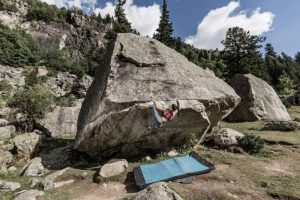
Rock climbing and bouldering in Arctic landscapes offer a unique and exciting experience for outdoor enthusiasts seeking a challenge in a rugged and cold environment. The Arctic terrain provides climbers with a variety of rock formations and stunning views that make the experience truly unforgettable.
Challenges and Rewards
- Challenges: Climbing in cold and harsh Arctic conditions can present challenges such as extreme weather, limited daylight hours, and unpredictable terrain. Climbers must be well-prepared with the right gear and skills to navigate these obstacles.
- Rewards: The sense of accomplishment from conquering Arctic peaks and boulders is unmatched. The breathtaking views of the Arctic landscape from the top of a climb are truly awe-inspiring and make all the hard work worth it.
Recommendations for Climbers
- Be well-equipped with warm and waterproof clothing, sturdy climbing gear, and navigation tools.
- Research the specific climbing areas in the Arctic region you plan to visit and understand the terrain and weather conditions.
- Consider hiring a local guide with knowledge of the area for a safer and more enjoyable climbing experience.
Stunning Views and Unique Formations
- The Arctic offers climbers stunning views of icy landscapes, snow-capped mountains, and vast expanses of untouched wilderness.
- Unique rock formations in the Arctic, shaped by glaciers and extreme weather conditions, provide a challenging and rewarding climbing experience.
Wildlife Watching and Birding
Wildlife watching and birding in the Arctic provide unique opportunities to observe diverse species in their natural habitat. The Arctic region is home to a wide variety of wildlife, from polar bears and arctic foxes to whales and seabirds.
Diverse Wildlife Species in the Arctic
- The Arctic is known for its iconic polar bear population, which can be spotted in regions like Svalbard, Greenland, and Canada.
- Arctic foxes, musk oxen, reindeer, and walruses are other common mammals found in the Arctic.
- Various bird species, including puffins, snowy owls, and Arctic terns, can be observed during birdwatching expeditions.
Prime Locations for Wildlife Watching and Birding
- Svalbard in Norway and Churchill in Canada are popular destinations for polar bear viewing.
- Alaska’s Katmai National Park is known for its brown bear population and salmon runs, attracting wildlife enthusiasts.
- The Norwegian archipelago of Svalbard offers opportunities to see walruses, Arctic foxes, and a variety of bird species.
Tips for Capturing Memorable Wildlife Encounters on Camera
- Invest in a good quality camera with a zoom lens to capture wildlife from a safe distance.
- Patience is key – wildlife sightings can be unpredictable, so be prepared to wait for the perfect shot.
- Respect the animals’ space and avoid disturbing them for the sake of a photograph.
Importance of Responsible Wildlife Viewing Practices in the Arctic
- Responsible wildlife viewing helps protect the natural habitat and behavior of Arctic animals.
- Following guidelines set by tour operators and wildlife experts ensures the safety of both humans and animals during encounters.
- By practicing ethical wildlife watching, we can promote conservation efforts and sustainable tourism in the Arctic region.
Trail Running
Trail running in Arctic environments has been gaining popularity among adventure seekers looking for unique and challenging experiences. The combination of rugged terrain, stunning landscapes, and remote locations makes Arctic trail running a one-of-a-kind adventure for outdoor enthusiasts.
Challenging and Scenic Routes
- One popular trail running route in the Arctic is the Kuujjuaq River Trail in Northern Quebec, Canada. This challenging route takes runners through breathtaking mountain scenery and along the rushing river.
- Another scenic option is the Laugavegur Trail in Iceland, known for its diverse landscapes including geothermal hot springs, glaciers, and lush valleys.
- The Arctic Circle Trail in Greenland offers a remote and rugged trail running experience, with stunning views of the Arctic wilderness and challenging terrain.
Training Tips for Arctic Trail Runners
- Focus on strength training to prepare for the demanding terrain, including uphill and downhill runs to build endurance and power.
- Practice running on varied surfaces such as gravel, rocks, and mud to simulate the conditions you may encounter on Arctic trails.
- Pack essential gear like proper footwear, hydration systems, and emergency supplies to stay safe and comfortable during your trail runs.
Physical and Mental Benefits
- Trail running in remote Arctic landscapes offers a unique opportunity to disconnect from the hustle and bustle of everyday life and immerse yourself in nature.
- The mental challenge of navigating challenging terrain and the physical exertion of trail running can improve focus, resilience, and mental clarity.
- Connecting with the natural world in the Arctic can also promote a sense of peace and well-being, enhancing the overall experience of trail running in this unique environment.
Adventure Sports
Arctic regions offer a plethora of adrenaline-pumping adventure sports for thrill-seekers looking to push their limits in extreme environments. From ice climbing to dog sledding, there are numerous activities that provide an exhilarating experience unlike any other.
Range of Adventure Sports
- Ice Climbing: Scaling frozen waterfalls and glaciers for a challenging ascent.
- Dog Sledding: Racing through snow-covered landscapes with a team of energetic sled dogs.
- Snowboarding: Shredding down powdery slopes with stunning Arctic scenery as a backdrop.
- Ice Diving: Exploring the icy underwater world beneath frozen lakes and rivers.
- Snowmobiling: Speeding across snow and ice on a powerful motorized vehicle.
Safety Guidelines
- Always dress in layers to stay warm and dry in cold Arctic conditions.
- Stay hydrated and nourished to maintain energy levels during intense activities.
- Follow the instructions of experienced guides and instructors for each sport.
- Be aware of potential risks and hazards associated with extreme cold temperatures.
- Carry essential safety gear such as a first aid kit, communication device, and emergency supplies.
Sense of Accomplishment
- Conquering challenging Arctic sports can provide a profound sense of achievement.
- Thrill-seekers often experience a rush of adrenaline and excitement during these activities.
- The stunning Arctic landscapes serve as a breathtaking backdrop for these exhilarating adventures.
- Pushing personal limits and overcoming obstacles in extreme conditions can be incredibly rewarding.
- Participating in Arctic adventure sports can create lasting memories and a sense of fulfillment.
End of Discussion
As we conclude this exploration of Luxury Arctic Adventures, it’s evident that the charm of the polar regions extends far beyond their icy landscapes. With a blend of luxury and adventure, these experiences promise memories that will last a lifetime.
FAQ Resource
What makes luxury Arctic adventures unique?
Luxury Arctic adventures offer exclusive experiences, top-notch accommodations, and unparalleled services in the pristine polar landscapes.
Are luxury accommodations available in the Arctic?
Yes, luxury lodges and resorts in the Arctic provide a lavish retreat amidst the stunning beauty of the polar regions.
Why choose luxury travel in remote polar regions?
Luxury travel in the Arctic offers a combination of comfort, adventure, and the chance to explore some of the most remote and untouched landscapes on Earth.